
A trust‑first perspective on weight loss, awareness, and automatic behavior
Is Noticing Habits is more important than changing them?
Most weight‑loss attempts don’t fail because people lack motivation.
They fail because most of what people do each day is happening without being chosen.
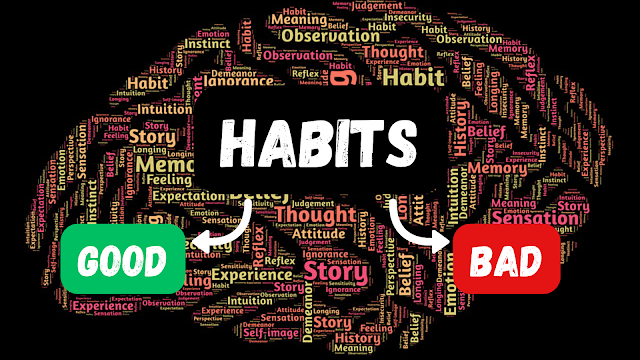
Food decisions, eating times, snack choices, drinks, portions—much of this runs on autopilot.
Not because people don’t care, but because habits are designed to remove effort. Once a behavior becomes automatic, it stops asking for attention.
When weight loss stalls, frustration builds. The default response is to try harder: stricter rules, tighter plans, more discipline. But escalation often adds pressure without clarity.
People push on the outcome while leaving the underlying system untouched.
Changing a habit requires rewiring your brain’s automatic behavioral loops.
There is another place to start—quieter, slower, and often overlooked: making habits visible again before trying to change them.
The Real Problem Isn’t Willpower — It’s Automaticity
Habits are maintained by stable cues: time, place, emotion, sequence. Eating happens because it’s noon.
Snacking happens because work ended. Drinking happens because mornings “require” it.
Once established, these behaviors stop requiring thought. When behavior is automatic, changing it directly is hard.
Effort, rules, and motivation must fight processes that no longer require thought.
Why Directly Changing Habits Often Backfires
Replacement can work—but it is effort‑intensive. It increases cognitive load. It turns neutral behaviors into tests of discipline.
For many people, it triggers resistance, fatigue, and all‑or‑nothing thinking.
What It Means to Interrupt a Habit (Not Change It) — Interrupting a habit means temporarily disrupting the conditions that keep the habit automatic.
The purpose is not improvement. The purpose is visibility.
Why Interruption Works Differently Than Change
Traditional change asks, “What should I do instead?” Interruption asks, “What is actually happening here?” Interruption restores access to choice by weakening automatic triggering.
The Accumulation Question (Answered Precisely)
Behavioral research does not support the idea that isolated small changes inevitably cause large weight loss.
What it supports is a more nuanced mechanism: when small, sustainable changes reduce automaticity and cognitive friction, they can accumulate over time to produce clinically meaningful improvements in weight and metabolic health—especially when those changes are maintained within a stable behavioral context.
The effect is not additive in a mechanical sense; it is probabilistic and enabling.

A Useful Way to Think About It: Autopilot vs. Manual Steering
Imagine driving a car with the steering locked. You can press the gas or brake harder, but the car continues drifting in the same direction.
Interrupting a habit unlocks the steering wheel.
Once control is restored—even briefly—small adjustments finally matter.
Why This Matters for Weight Loss (Without Promising Outcomes)
Interrupting habits will not produce immediate weight loss. What it reliably does is reduce mindless intake, expose emotional reliance on routines, lower impulsive responses to cues, and reveal where resistance actually lives.
What Interruption Is Not
Habit interruption is not a diet, a program, or a guarantee of results. It should not become a new rule or performance test. Its value depends on optionality.
Forget the myth that it only takes 21 days to form a habit. Studies suggest it takes anywhere from 18 to 254 days, with an average of about 66 days for a new behavior to become automatic.
Bottom Line
Interrupting automatic habits does not cause weight loss. What it does is restore awareness, reduce autopilot, and make small, sustainable changes capable of accumulating over time.
Not a cure. Not a shortcut. Just an opening.