
Introduction
“Why I’m Not Losing Weight” is a common question, and the reason usually stems from one of four primary factors:
- unknowingly consuming more calories than you burn,
- your body adapting to your current routine,
- hormonal or sleep disruptions,
- or… muscle gain masking fat loss.
Other common culprits include lack of sleep, high stress, or underlying hormonal imbalances.If you’re eating less, exercising more, and still not losing weight — you’re not alone.
It’s one of the most frustrating situations when you follow the rules, you stay consistent but still you don’t see the desired results.
The truth is, weight loss isn’t just about calories. Your body is influenced by hormones, metabolism, stress, sleep, and habits.
And if even one of these is off, fat loss can slow down or stop completely.

In this guide, you’ll learn:
Struggling to lose weight usually boils down to an inconsistent calorie deficit, underestimating portion sizes, or hidden calories from beverages.
- the real reasons weight loss stalls
- how your body actually burns fat
- and what to fix first
1. Your Hormones Control Fat Loss
Your body doesn’t run on willpower — it runs on biology. Hormones play a critical role in weight management, appetite regulation, and fat storage.
They frequently dictate why weight loss can be challenging, as the body often adapts hormonally to defend its highest weight.
Weight loss often triggers an increase in hunger hormones (ghrelin) and a decrease in satiety hormones (leptin).
Landmark research published in the New England Journal of Medicine details how these hormonal adaptations persist for at least a year post-weight loss, frequently driving appetite and weight regain.
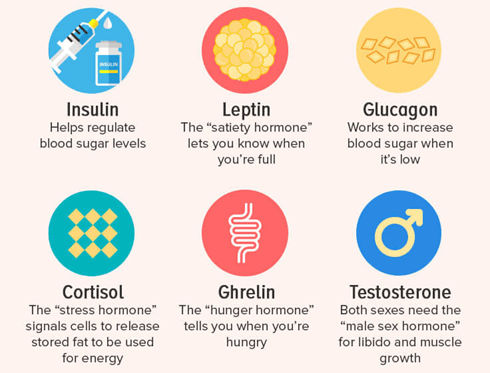
The main hormonal factors in weight loss include:
Cortisol (Stress Hormone)
How High cortisol affects your weight loss:
- increases fat storage
- increases cravings
- promotes belly fat
Read more: Cortisol and Belly Fat
Insulin
Insulin regulates blood sugar by helping the body use glucose for energy. It is essential for :
Energy Transport: Insulin acts like a key, unlocking cells so that glucose from food can enter and fuel the body.
Storage: Extra glucose is stored as glycogen in the liver and muscles for later use.
Insulin is typically involved in a combination of the following:
- Fat storage
- Energy use
High insulin levels (hyperinsulinemia) are constantly high they block the breakdown of fat and fat loss becomes harder.
Reversing insulin resistance—often through caloric restriction or specific medications—is vital for metabolizing stored fat.
A comprehensive overview of how hormones influence weight control is available via PubMed Central.
For comprehensive strategies, read Weight Loss with PCOS: Insulin Sensitivity Uncovered
Leptin (hunger hormone)
If leptin doesn’t function well:
- you feel hungrier
- you burn less energy
Detailed physiological associations between stress, cortisol, and appetite can be explored through this study on Frontiers where the researchers studied levels of appetite-regulating hormones during a combined lifestyle intervention (CLI: healthy diet, exercise and cognitive behavioral therapy).
Menopause and Estrogen
Declining estrogen levels during perimenopause and menopause can trigger the redistribution of fat to the visceral (abdominal) area.
Clinical analyses documented by PubMed Central show that hormone replacement therapy can positively influence body composition by reducing abdominal fat and increasing lean muscle mass in menopausal women.
2. You’re in a Calorie Deficit — But Not Losing Weight
Underestimating Calorie Intake: This is one of the most common problems. Mindless” snacking, unreported bites while cooking, and failing to weigh portions can easily push you out of a deficit.
Sometimes: you THINK you’re in a calorie deficit but you’re not
Other times: our body simply adapts.
Hidden Liquid Calories: Alcohol, sugar-sweetened coffees, and juices are easily consumed but lack satiety.
Not Enough Protein: A diet lacking protein leaves you hungry and can lead to muscle loss instead of fat loss. A lack of protein (hypoproteinemia) can trigger a wide range of symptoms, including fatigue, muscle weakness, hair thinning, brittle nails, and fluid retention.
Read: Ditch the Diet – How to Achieve a Calorie Deficit
Metabolic Adaptation
Metabolic adaptation, or adaptive thermogenesis, is the body’s natural survival response to calorie restriction, where metabolism slows down more than expected based on weight loss alone.
It involves lowered energy expenditure and increased hunger hormones, making weight loss difficult and encouraging weight regain.
It is a temporary slowing of metabolism in response to a deficit, not permanent damage.
When you are dieting:
- your body burns fewer calories
- metabolism slows
Many people successfully maintain weight loss, so this is not a complete barrier to success. But, too many times we see that dieters achieve Plateaus, phenomenon that is a primary reason weight loss stalls, as the calorie level that initiated weight loss becomes your new maintenance level.
Read: The Best Way to Lose Weight, According to Science: A Definitive Guide to Sustainable Fat Loss
Related: Eating in a Calorie Deficit but Not Losing Weight
3. Sleep Is Holding You Back
Poor sleep—whether it’s trouble falling asleep, staying asleep, or waking unrefreshed—can severely impact your mood, immunity, and long-term health. Poor sleep:
- increases hunger
- decreases fat burning
Effects:
- more cravings
- less energy
- worse decisions

How to Fix:
- 7–9 hours per night
- consistent sleep schedule
4. Stress Is Blocking Results
Stress causes weight loss primarily through the “fight-or-flight” response, which releases Adrenaline and Cortisol.
These hormones can temporarily speed up your metabolism, suppress your appetite, and slow digestion, leading to rapid weight loss.
However, the impact of stress varies wildly—for many, it causes weight gain or makes it harder to lose weight.
Chronic stress keeps your body in: fat storage mode.
High stress leads to:
- high cortisol
- emotional eating
- poor recovery
Read also: Cortisol and Belly Fat
5. You’re Not Eating Enough Protein
Protein helps:
- preserve muscle
- keep metabolism higher
- reduce hunger
Target: 1.6–2.2g per kg body weight
Read more: Why You Should Never Give Up on Eggs: The Cost-Effective, Complete Protein for Muscle Growth
6. You’ve Hit a Natural Plateau
Plateaus are normal. Hitting a plateau means your progress has stalled for 3-4 consecutive weeks despite consistent diet and exercise.
Signs include unchanging weight/measurements, lifting the same weight without fatigue, or a loss of motivation.
They happen because:
- your body adapts
- your weight is lower
- energy needs decrease
Solution:
- adjust calories
- increase activity
- change training
Read: How to Break Weight Loss Plateau – Metabolic Strategies for Re-Starting Your Journey
WHAT YOU SHOULD FIX FIRST
If you’re stuck, start here:
- Fix sleep
- Reduce stress
- Increase protein
- Track food accurately
- Stay consistent

Read more details on overcoming stalled progress with these resources:
- Personalized Nutrition Plans: Unlock Lasting Health & Weight Loss
- Weight Management Counseling: Unlock The Power
- Essential Bloodwork for Personalized Nutrition: The Ultimate Guide
Common Mistakes
- Eating too little – Slows metabolism
- Too much cardio – Increases stress
- Ignoring sleep – Stops recovery
For more curated, evidence-based approaches to nutrition: Ultimate Guide Sustainable Weight Loss – Plan You Can Trust
💡 Final Thoughts
If weight loss isn’t working, if you are not losing weight despite your diet and exercise efforts, you are likely in a calorie plateau or there is an underlying issue.
- it’s usually not about effort
- it’s about understanding your body
To break through, troubleshoot the key areas first, fix the right factors, and:
- progress becomes easier
- results become consistent
FAQ
Why am I not losing weight in a calorie deficit?
Because metabolism and hormones can override simple calorie math.
Can stress stop weight loss?
Yes — cortisol plays a major role.
What is the most important factor?
Sleep + stress management are often underestimated.