
The Joyful Guide: Delicious Steps to Lose Weight Before Christmas
Guaranteed Success: The Best Way to Lose Weight Before Christmas with a Simple Plan
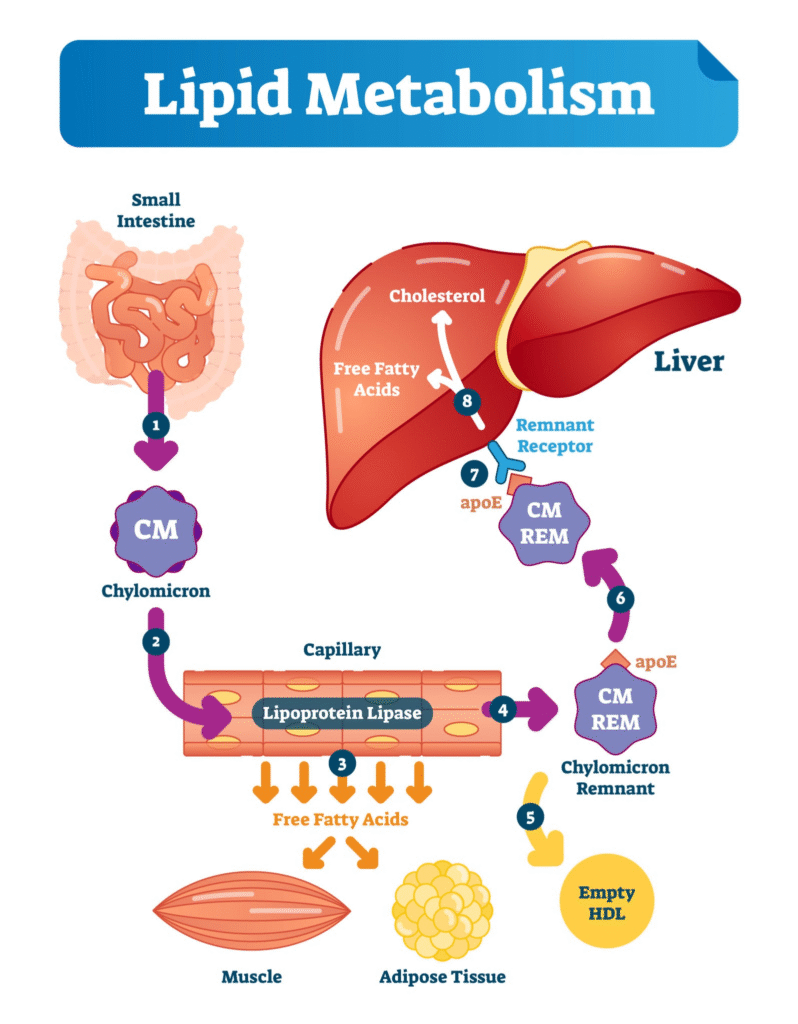
This category serves as the foundational resource for understanding the science of how your body uses food for energy and health. Content here covers core concepts like the calorie deficit, macro and micronutrient roles, metabolic function, and the physiological processes (like BMR and TDEE) that determine energy expenditure and body composition. If you want the unvarnished scientific truth behind sustainable health, this is where you start.
Guaranteed Success: The Best Way to Lose Weight Before Christmas with a Simple Plan
A Modern Perspective about Eggs and High Cholesterol Myth The eggs and cholesterol myth unjustly demonized the humble egg for
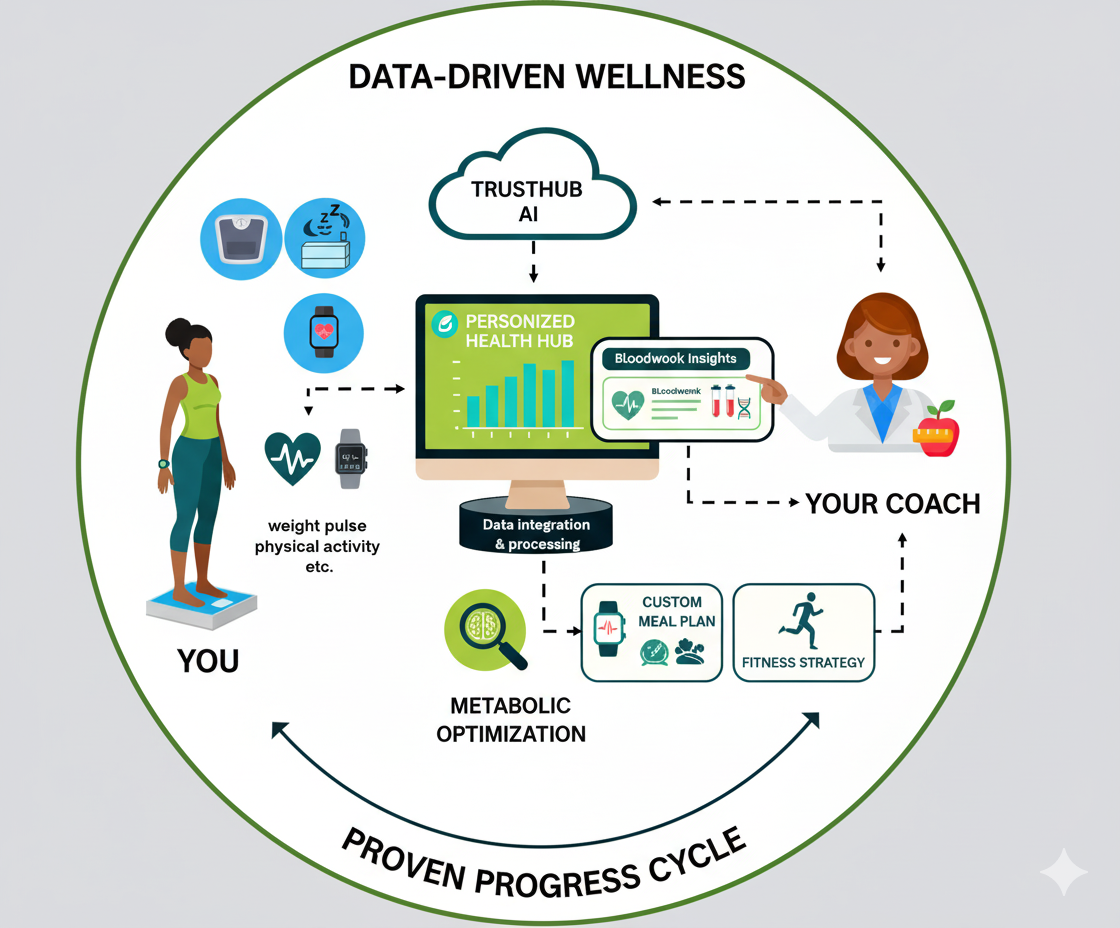
The era of guessing with generic, one-size-fits-all diets is over. Personalized Nutrition Plans are built on a foundation of scientific fact, not fleeting trends. This Ultimate Guide reveals the essential Bloodwork Insights and biomarkers—from thyroid function to inflammation markers—that are required to accurately assess your unique metabolism. Discover how this data-driven approach allows TRUSTHUB coaches to stop guessing and start creating a truly optimized, sustainable meal plan for lasting health.
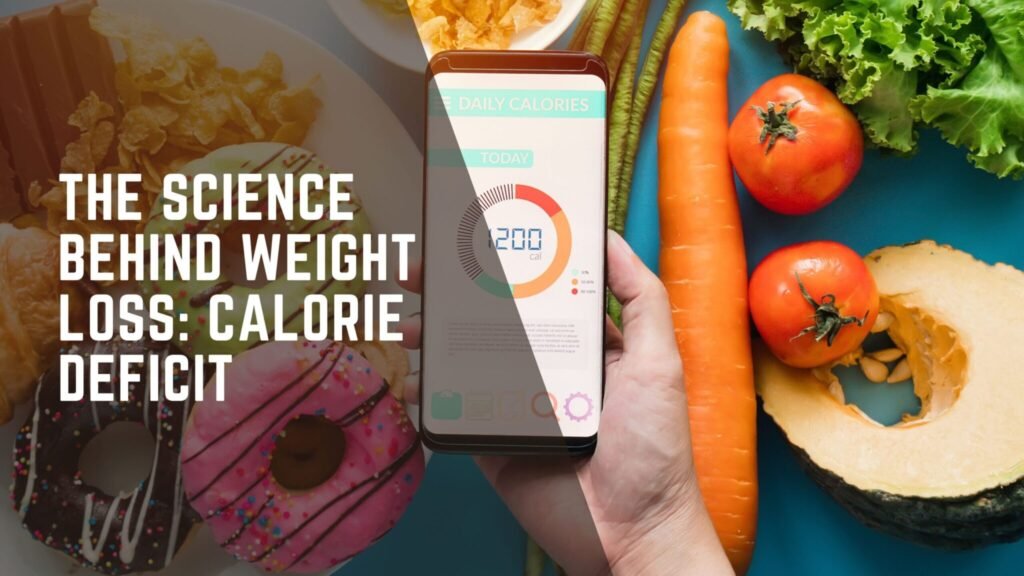
Weight loss is not magic; it’s math. Stop wasting time on restrictive fad diets and understand the one principle that governs all successful body composition change: the Calorie Deficit. We break down the real science behind energy balance, explaining how to calculate your personalized targets and use food and activity to consistently burn more than you consume. This is the truth about sustainable fat loss—no guessing required.
The science of sustainable fat loss relies entirely on achieving a calorie deficit (Energy In < Energy Out), which is the non-negotiable First Law of Thermodynamics. The key to long-term success is applying a realistic, 10–20% deficit below your true daily energy needs (TDEE). Aggressive, crash dieting is counterproductive as it can slow metabolism (by reducing NEAT and BMR) and causes the body to lose muscle instead of primarily fat. To maintain a deficit successfully, prioritize high-protein and high-fiber foods to maximize satiety and nutritional intake.