
Recent 2026 Coffee Gut–Brain Axis Study indicates that habitual coffee consumption influences the gut-brain axis. Why removing a daily default can expose effects we stop noticing. Altering gut microbiota composition and increasing beneficial metabolites, improves mood, reduces stress, and enhances cognitive function.
Coffee Gut–Brain Axis Study Unexpected Results
Most nutrition headlines make the same mistake: they treat “coffee” as a single variable. As if what matters is whether you drink it or don’t. This new study is more interesting because it asks a better question:
What happens when coffee stops—and then starts again?
In Coffee Gut–Brain Axis Study 2026, researchers studied healthy adults, asked regular coffee drinkers to abstain for two weeks, then reintroduced coffee in a blinded way—either caffeinated or decaffeinated.
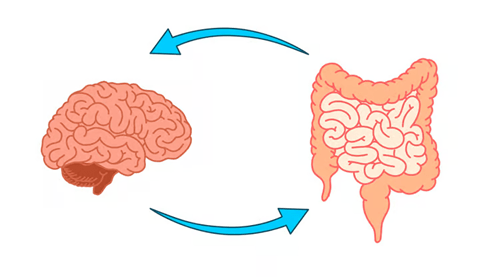
The goal was not to prove that coffee is “good” or “bad,” but to examine something more specific: whether coffee changes the microbiota–gut–brain axis, the two‑way signaling pathway between gut microbes, host physiology, and brain-related outcomes.
The short version: yes, the gut microbiome shifted, and some cognitive and mood-related measures shifted with it. The part likely to surprise people is that decaf wasn’t neutral—in some measures it looked meaningfully different from regular coffee.
What The Study Actually Did in Plain Language
This work—published in Nature Communications—compared 31 habitual coffee drinkers with 31 non‑drinkers (ages 30–50). Coffee drinkers typically consumed 3–5 cups/day.
The design had three key phases:
- Baseline comparison between coffee drinkers and non-drinkers
- Two-week abstinence period (coffee drinkers stopped coffee)
- Blinded reintroduction where drinkers received either caffeinated or decaf coffee
Researchers collected stool and urine samples and conducted psychological/cognitive testing to assess microbiome composition and metabolite shifts, alongside behavior and cognition measures.
That withdrawal/reintroduction structure matters. It’s one of the few ways to get closer to a causal signal in a lifestyle exposure without turning the entire project into a decades-long trial.
What They Found: The “Gut” Part
Across baseline comparisons, coffee drinkers had a different microbiome profile than non-drinkers, including higher relative abundance of Cryptobacterium and Eggerthella species—microbes the authors highlight as linked to coffee-associated patterns.

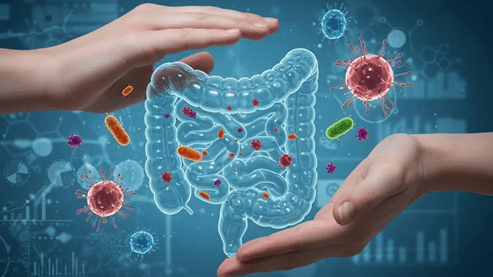
The Coffee Gut–Brain Axis Study 2026 also reported group differences in stool metabolites and neuroactive compounds measured in the fecal metabolome—part of the point of gut–brain research is that microbial metabolites can participate in signaling that relates to stress reactivity and cognition.
Importantly, some metabolite alterations were reversible with abstinence, and reintroduction triggered acute microbiome changes that the authors describe as occurring independently of caffeine—which is one reason decaf is not a trivial control.
What They Found: The “Brain” Part (Mood, Stress, Cognition)
This is where coverage can overreach, so we’ll stick to what is clearly reported in the study write‑ups and summaries of the work:
- Both caffeinated and decaf coffee were associated with changes in perceived stress and mood-related measures in the reintroduction phase, suggesting effects beyond caffeine alone.
- The reporting consistently highlights distinct profiles between caffeinated and decaf: caffeinated coffee aligning more with alertness and anxiety-related measures, while decaf is highlighted for learning/memory and sleep-related improvements in several summaries of the findings.
The key point is not “decaf is better.” The key point is more subtle:
Coffee is not just caffeine delivery. If decaf changes outcomes too, then other compounds (polyphenols, phenolic acids, roasting products) likely matter.
That’s an inference supported by the paper’s framing and by UCC/APC Microbiome Ireland’s explanation of coffee as a complex dietary exposure rather than a single stimulant variable.
What This Does Not Prove (and Why That Matters)
The study that examined coffee’s impact on the microbiota–gut–brain axis—a bidirectional communication pathway between the gut microbiome and the brain, has to say this clearly:
- This is not a weight‑loss study.
It does not test body weight as a primary endpoint, and it cannot be used to claim “coffee causes weight loss.” - The sample is small and narrow.
It includes healthy adults aged 30–50 in Ireland. It does not tell us what happens in seniors, people with metabolic disease, or people with significant GI disorders. - Microbiome findings are real but complex.
Detecting shifts in microbial taxa and metabolites is not the same as proving long-term prevention of disease. The authors themselves frame this as mechanistic insight, not clinical guidance.
That said, the withdrawal/reintroduction structure makes the paper more informative than the typical “coffee drinkers vs non-drinkers” observational comparison.

Why Coffee Gut–Brain Axis Study Is Relevant To Behavior Change
Coffee is a daily default for many people and it’s often consumed on autopilot—stable, cue-driven, and rarely reconsidered.
This study is useful not because it offers a new “hack,” but because its withdrawal-and-reintroduction design makes the effects of a repeated routine easier to observe. That’s exactly the kind of mechanism we focus on here.
When a daily routine is interrupted and then reintroduced, the effects—if they exist—tend to become easier to detect. The study shows that removing that signal briefly—and reintroducing it—corresponds with measurable changes in biological markers tied to gut–brain signaling.
That structure is useful for understanding repeated habits, because interruption makes effects visible again—without requiring a lifestyle overhaul.
A Low‑Stakes Way to Test The Idea (No Promises)
Because the study’s most interesting lesson is not “coffee helps.” It’s this: When a daily default is interrupted, effects become measurable again.
If you’re tempted to “try something,” don’t treat this as a coffee recommendation.
Treat it as a routine check.
For one day, notice when coffee shows up: is it a choice, or a cue (time, place, sequence)?
Then change one small part of that cue—timing, location, or order—once.
Not to improve anything. Just to see whether the routine has been running automatically.
The study’s most useful lesson may be methodological: interruption makes effects easier to detect. If you want the broader framework for why that matters, start here: Why Noticing Habits Matters More Than Changing Them.
Read next
- Why Noticing Habits Matters More Than Changing Them
- I Changed What I Drink — Nothing Else
- Automaticity: The Hidden Variable in Weight Loss
Research context
This study is part of a growing research interest in the microbiota–gut–brain axis, a bidirectional system where gut microbes and their metabolites can influence host physiology and brain-related outcomes.
The study’s distinguishing feature is its withdrawal and reintroduction design and its attempt to separate caffeine-dependent from caffeine-independent effects of coffee.
Sources
- Boscaini S, Bastiaanssen TFS, Moloney GM, et al. Habitual coffee intake shapes the gut microbiome and modifies host physiology and cognition. Nature Communications (2026). [pmc.ncbi.nlm.nih.gov], [nature.com]
- University College Cork / APC Microbiome Ireland research news summary (Apr 21, 2026). [ucc.ie]
- ScienceDaily coverage summarizing the same study (May 3, 2026). [sciencedaily.com]
- News-Medical review summary (Apr 24, 2026). [news-medical.net]