
Updated: November 2025
Smart Scale Buyer’s Guide: Withings Body Cardio vs. RENPHO Smart Scale
Smart scales have moved far beyond simple weight tracking. Today, they are sophisticated home health hubs, offering metrics like body composition, heart rate, and even cardiovascular health indicators. But with options ranging from budget-friendly basics to premium, medically-focused devices, choosing the right one can be overwhelming.
This 2025 buyer’s guide focuses on two dominant forces in the market—the premium, feature-rich Withings Body Cardio and the value-packed RENPHO Smart Scale—to help you decide which device best aligns with your health goals, budget, and desired level of data complexity.
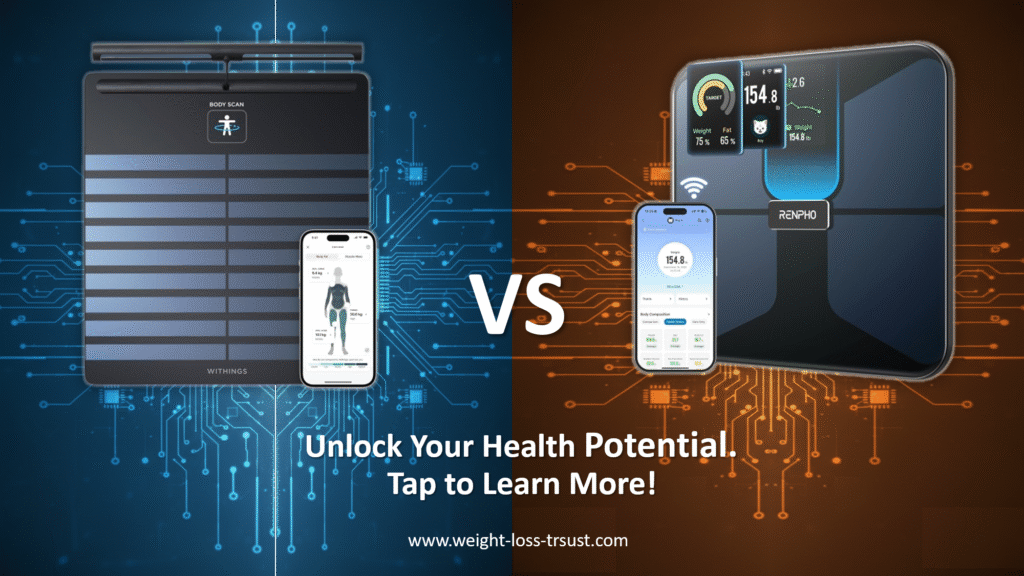
Table of Contents
1. Deep Dive into Pulse Wave Velocity (PWV): The Medical Consensus
The key differentiator for the Withings Body Cardio is its ability to measure Pulse Wave Velocity (PWV). This metric is a non-invasive indicator of arterial stiffness, which has substantial medical importance.
PWV: Clinical Validation and Cardiovascular Health
PWV is defined as the speed at which the arterial pulse travels along the arterial tree. Stiffer arteries—often a precursor to conditions like hypertension, heart disease, and stroke—result in a faster PWV measurement. This makes PWV an established, independent predictor of future cardiovascular risk in clinical settings.
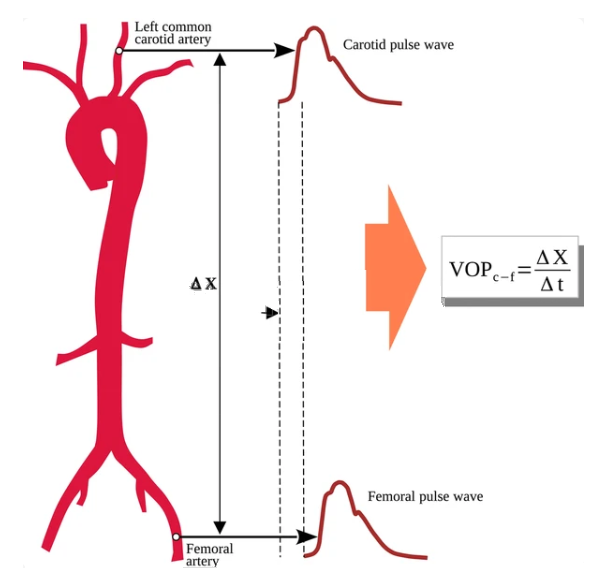
Medical Consensus: PWV is a clinically validated metric, widely used in research and diagnostics globally. Organizations like the European Society of Cardiology recognize arterial stiffness measurement as valuable for stratifying cardiovascular risk, especially in high-risk patients. While devices used in a doctor’s office, such as applanation tonometry (e.g., SphygmoCor), are considered the clinical gold standard, the Withings Body Cardio provides a robust, accessible screening tool for home users. This accessibility allows individuals to track trends and establish a baseline for a metric traditionally only measured in a lab.
Crucial Caveat (E-E-A-T Compliance): It is critical to understand that the PWV reading provided by a smart scale is a wellness metric and a proxy, not a diagnostic tool. A single high reading does not mean you have a medical condition, nor should the scale be used to replace advice from a healthcare professional. Persistent trends of concern, whether high or rapidly changing, should be discussed with your physician.
American Heart Association, a peer-reviewed journal, validating the importance of PWV.
2. How Bioelectrical Impedance Works: The Science and Limitations
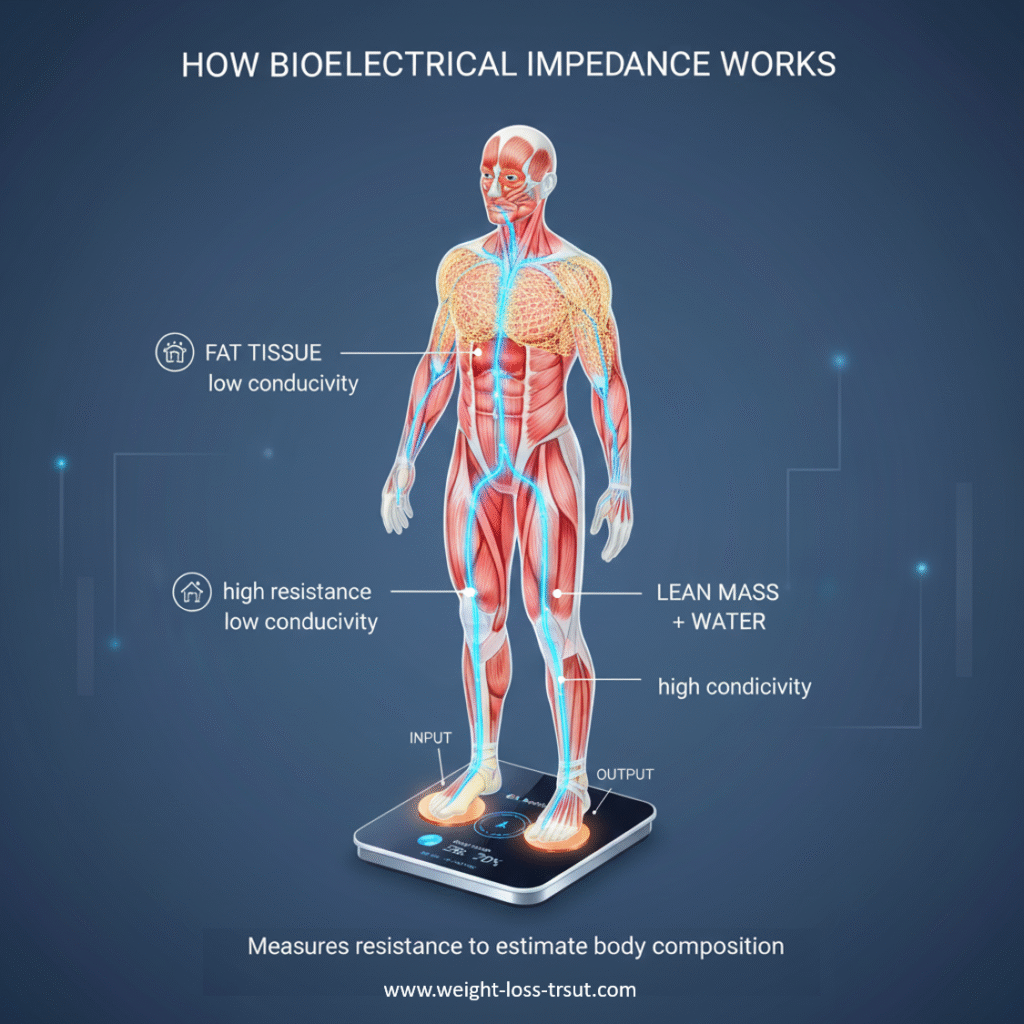
Both the Withings and RENPHO scales rely on Bioelectrical Impedance Analysis (BIA) to estimate body composition metrics beyond simple weight.
BIA: The Fundamental Process
BIA works by sending a tiny, harmless electrical current up one leg and measuring the resistance it encounters before it exits the other leg. Fat tissue contains very little water and thus resists the current, while muscle tissue and bone are highly conductive due to their high water content. The scale’s algorithm uses this resistance, combined with your gender, age, and height, to estimate your body fat percentage, muscle mass, bone density, and visceral fat.
Understanding BIA Accuracy: The Limitations
While convenient, BIA is subject to significant variability, and readers should be aware of its limitations for a trustworthy guide.
The biggest factor influencing BIA accuracy is hydration level. If you are dehydrated (e.g., after an intense workout or a night’s sleep), your resistance will be higher, causing the scale to overestimate your body fat percentage. Conversely, if you are highly hydrated, your body fat may be underestimated.
Studies on BIA variability confirm that hydration level is the biggest factor influencing accuracy and can lead to fluctuations up to 5%.
Read peer-reviewed journal article from the European Heart Journal, published on behalf of the European Society of Cardiology for the PWV medical consensus.
Consistency is Key: Due to these factors, the true value of a BIA scale is not the absolute number it provides, but its ability to track trends over time. Always weigh yourself at the same time of day (e.g., first thing in the morning, before coffee, after using the restroom) under consistent conditions to minimize external variables.
3. The Smart Scale Showdown: Head-to-Head Comparison
| Feature Category | Withings Body Cardio | RENPHO Smart Scale |
|---|---|---|
| Connectivity | Wi-Fi & Bluetooth | Bluetooth Only (Requires phone nearby) |
| Unique Metric | Pulse Wave Velocity (PWV) | N/A |
| Core Metrics | Weight, BMI, Body Fat, Muscle Mass, Water, Bone Mass, Heart Rate | Weight, BMI, Body Fat, Muscle Mass, Water, Bone Mass, Visceral Fat |
| Power Source | Rechargeable Battery (Long life) | 3x AAA Batteries (Included) |
| Display | High-Resolution Color Screen | Clear, Simple LCD |
| Platform Integration | Apple Health, Google Fit, Fitbit, MyFitnessPal, etc. | Apple Health, Google Fit, Samsung Health, etc. |
| Price Point | Premium (High Cost) | Budget (Low Cost) |
4. Critical Buying Considerations Beyond the Numbers
When selecting a smart scale, the metrics are only part of the equation. E-E-A-T demands a discussion of the practical features that affect long-term adherence and user experience.
A. Connectivity and App Ecosystem
A seamless user experience often hinges on connectivity.
- Wi-Fi (Withings): Wi-Fi is the premium choice. The scale can upload data to the cloud automatically after every weigh-in, even if your phone is nowhere near the device. This is crucial for busy households or when travel prevents you from carrying your phone everywhere.
- Bluetooth (RENPHO): Bluetooth scales require your phone to be within range with the companion app open (or running in the background) to sync data. If you forget, the data will sit on the scale until the next successful sync.
The App Ecosystem is also vital. The Withings Health Mate app is arguably more comprehensive, especially for integrating PWV data and exporting data to medical professionals. The RENPHO app is simpler, focused primarily on body composition tracking and is easier to navigate for beginners.
B. Multi-User Management and Privacy
A great smart scale needs to handle multiple users accurately.
- Withings: Supports up to 8 separate users, automatically recognizing who is stepping on the scale based on subtle weight fluctuations (if weights are significantly different) or via a manual selection step on the display. Data is kept private to each user’s profile.
- RENPHO: While it supports multiple profiles, its auto-recognition tends to be less seamless than Wi-Fi models. Users often need to open the app and ensure their profile is active before stepping on. This is fine for a single user but can be frustrating for a large family.
C. Warranty and Customer Support
Budget scales often offer shorter warranties (typically 1 year), whereas premium brands like Withings often provide 2-year warranties and more responsive support channels, reflecting their higher price point. Always factor the company’s reputation for reliability into your final decision.
5. Other Contenders: A Quick Look at Garmin, Fitbit, and Eufy Scales
While the Withings/RENPHO comparison covers the high-end and budget spectrum, a comprehensive buyer’s guide must acknowledge other major players that excel in specific areas.
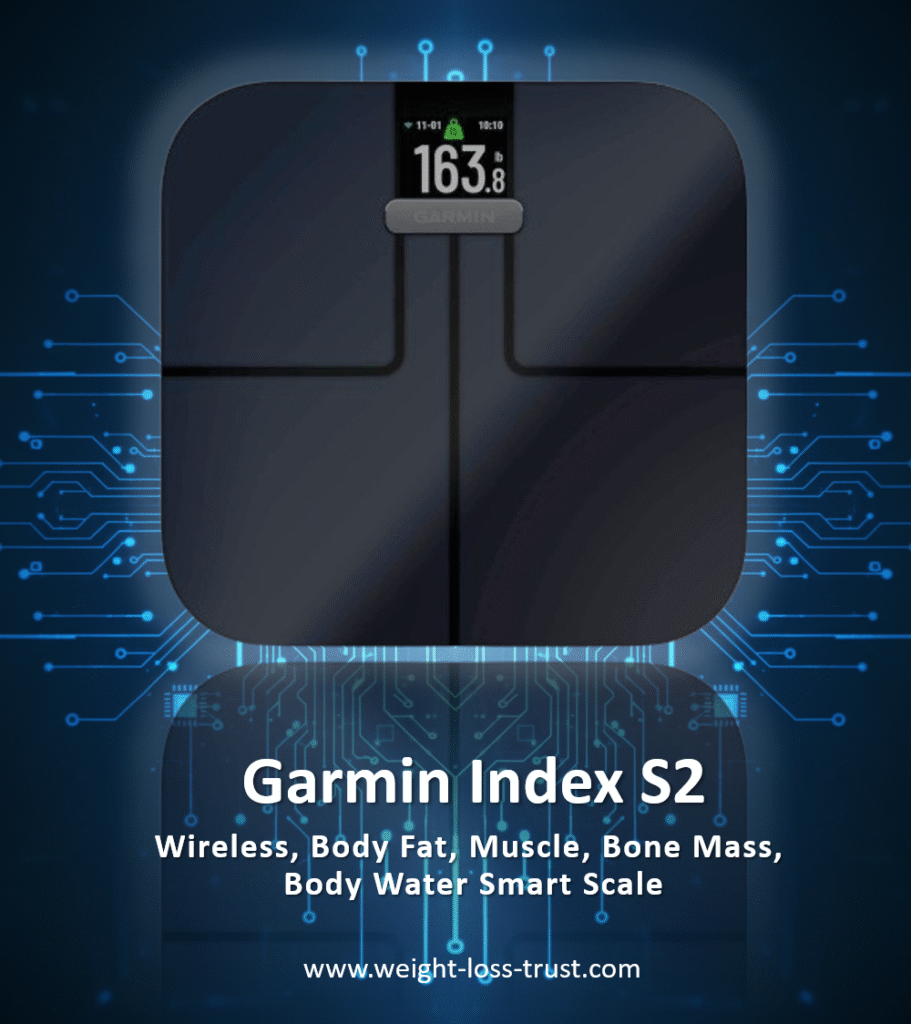
- Garmin Index S2: The best choice for users deeply invested in the Garmin Connect ecosystem. If all your run data, cycle routes, and sleep tracking are already in Garmin Connect, the S2 is the natural choice for consolidating all health metrics. It is a high-quality Wi-Fi scale with excellent display features but lacks the advanced PWV of the Withings.
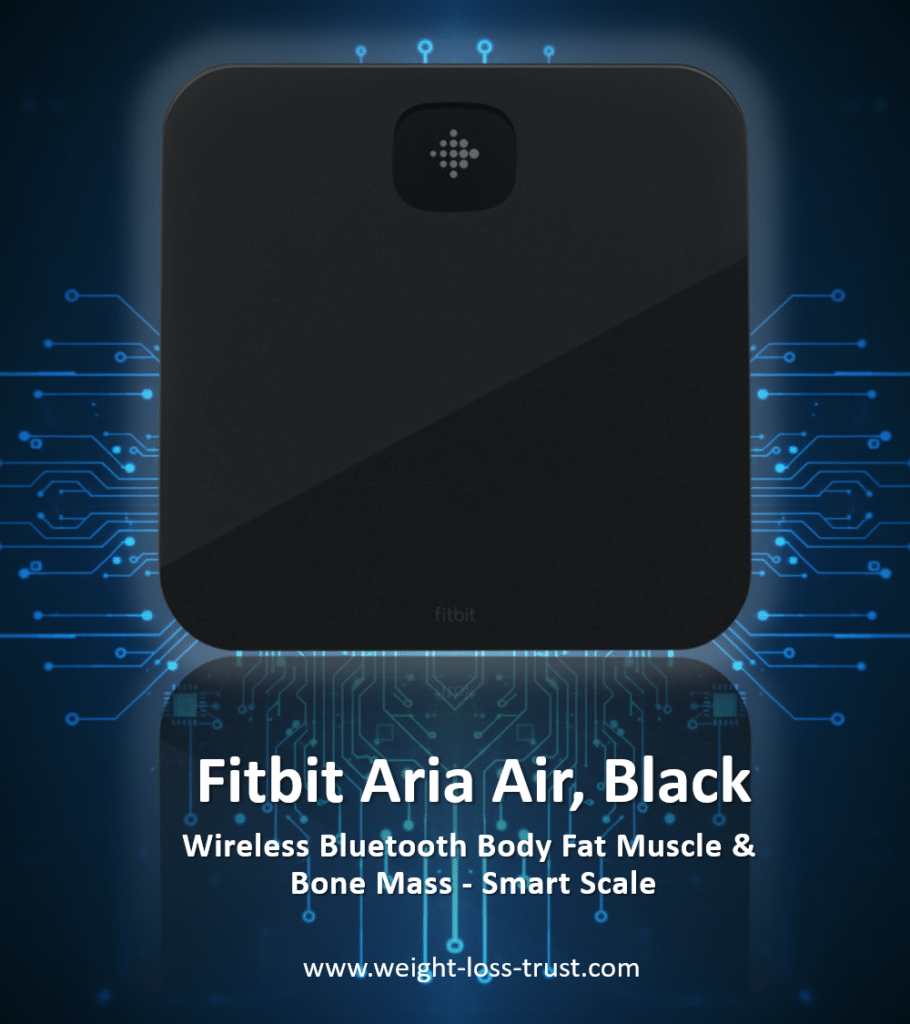
- Fitbit Aria Air/Aria 2: Ideal for users already running their fitness tracking through the Fitbit app. These scales sync flawlessly with the Fitbit dashboard. The Aria Air is a Bluetooth-only, simpler scale, while the Aria 2 is more advanced. They prioritize simplicity and seamless integration over deep, specialized metrics.
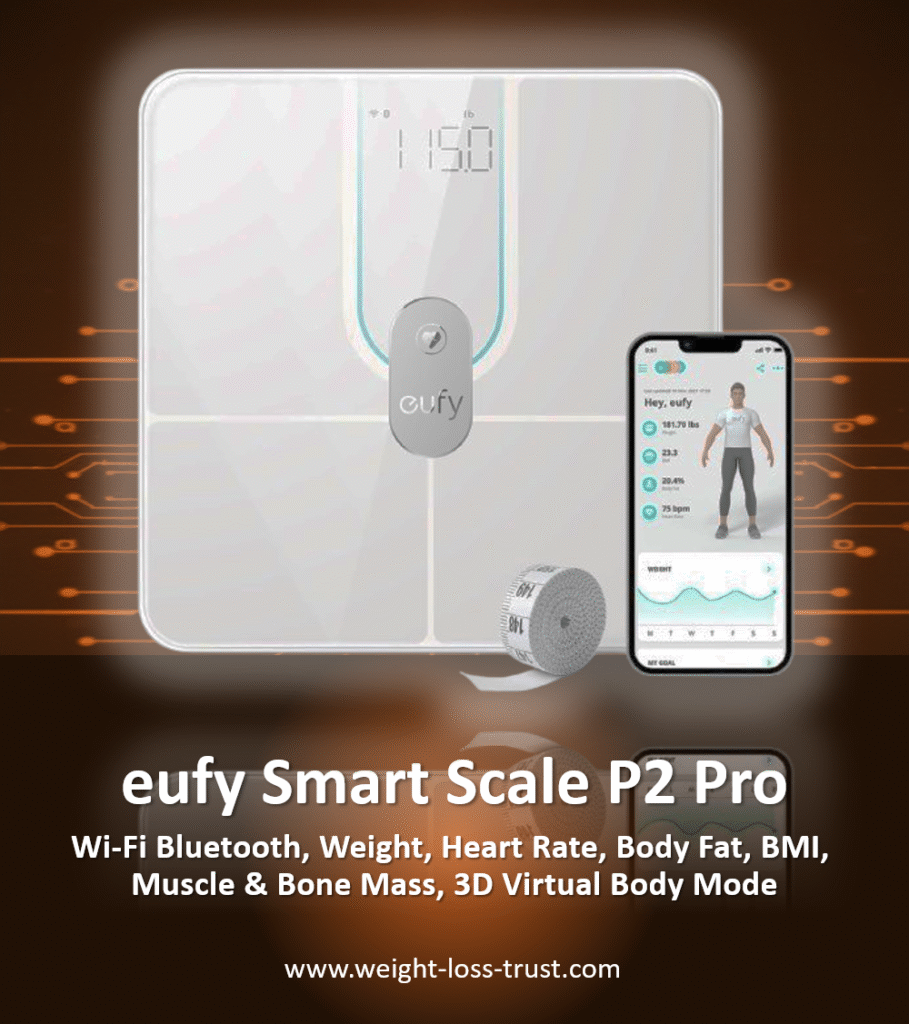
- Eufy Smart Scale P2 Pro: An outstanding mid-range option from Anker’s smart home brand. Eufy scales often receive high marks for their build quality, reliable BIA readings, and a feature-packed app, offering an excellent balance of price and performance, often outperforming RENPHO in terms of perceived quality.
6. Essential Smart Scale FAQs
Q: Are Smart Scales safe for people with pacemakers or during pregnancy?
A: No. Smart scales that use Bioelectrical Impedance Analysis (BIA) should be avoided by individuals with pacemakers or other implanted electronic medical devices. The tiny electrical current used for BIA, while harmless to most, could interfere with these devices. Similarly, pregnant individuals should only use the weight function; BIA readings for body composition are not accurate during pregnancy and should be disregarded.
Q: Can a smart scale measure my bone density accurately?
A: Smart scales only estimate bone mass density, muscle mass, and body fat based on the electrical resistance and your input profile (age, height, gender). They are not a substitute for clinical measurements like a DEXA scan. Use the number to track relative changes over time, rather than relying on its absolute accuracy.
Q: What is the ideal environment for BIA accuracy?
A: For the most reliable BIA reading, always measure under the same conditions:
- Time of Day: First thing in the morning, before eating or drinking.
- Hydration: After using the restroom, before intense exercise.
- Foot Condition: Clean, dry feet are essential for good conductivity.
Conclusion: Which Smart Scale is Right for You?
The choice between the Withings Body Cardio and the RENPHO Smart Scale ultimately depends on your budget and primary health focus:
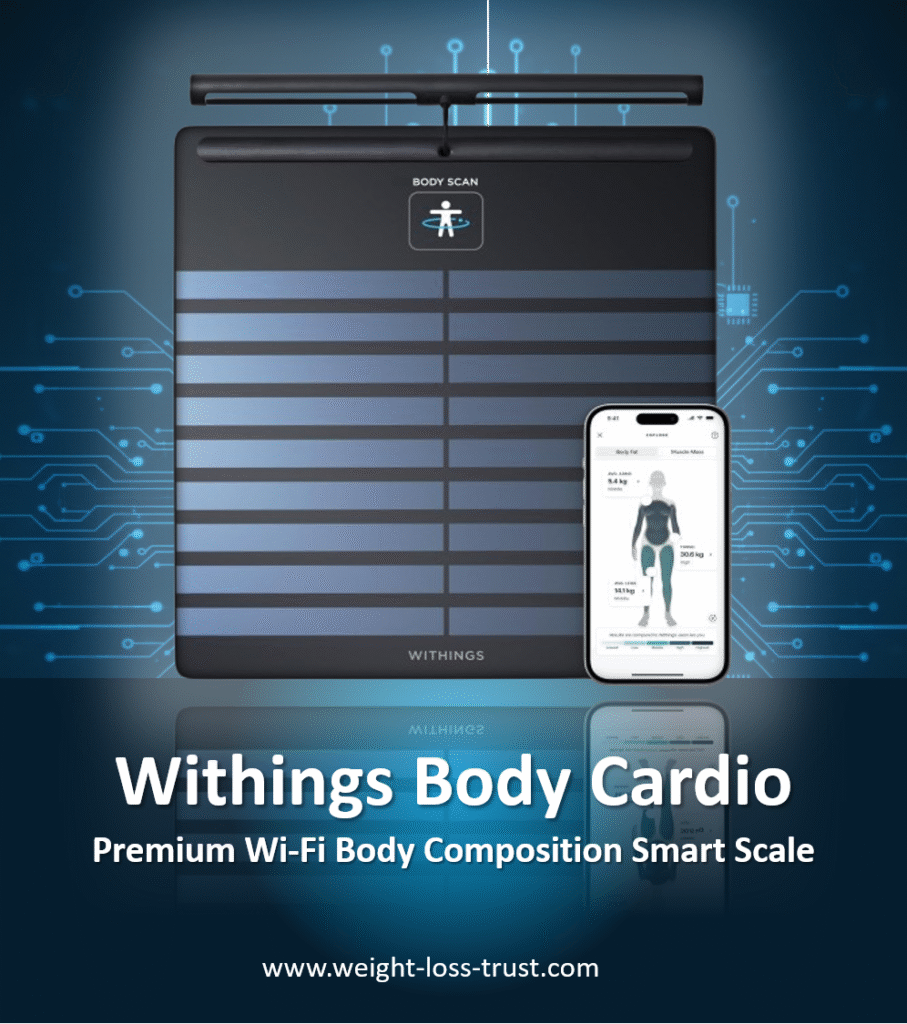
- Choose the Withings Body Cardio if: You prioritize cardiovascular health monitoring (PWV is essential), need seamless Wi-Fi syncing, value premium build quality, and have a higher budget.
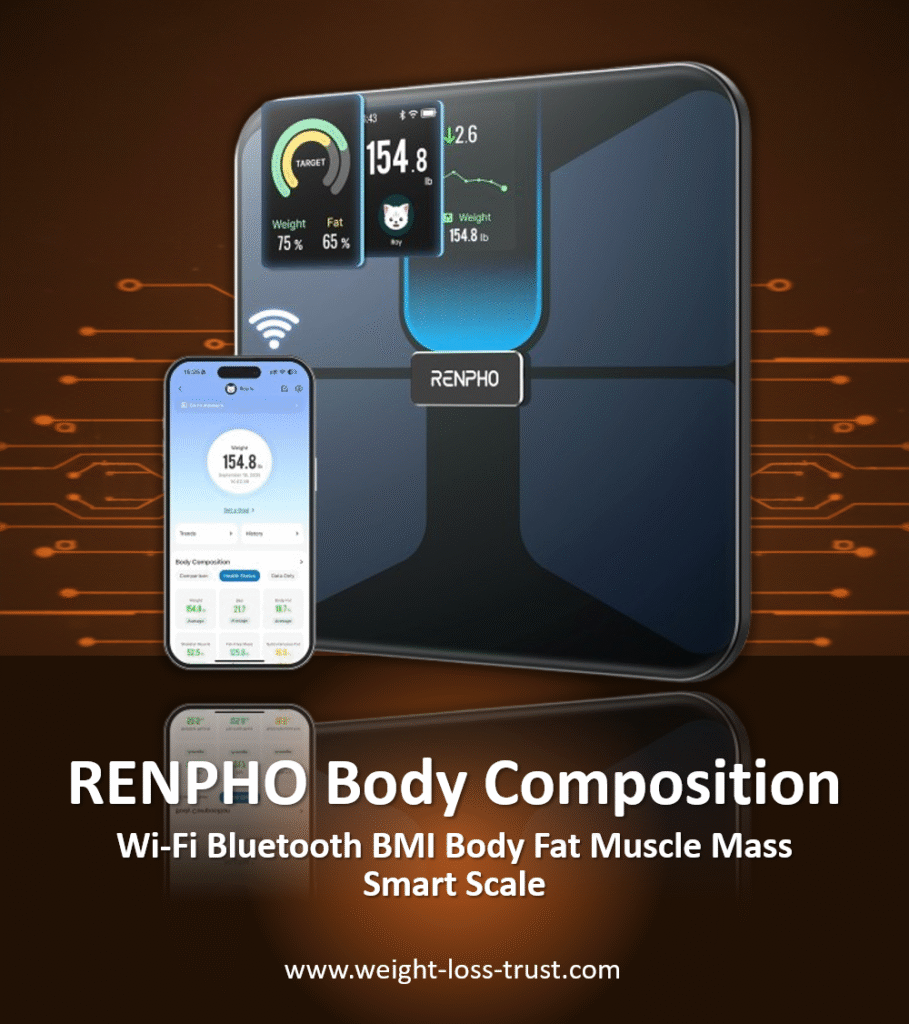
- Choose the RENPHO Smart Scale if: You are primarily interested in tracking basic body composition trends (Weight, BMI, Body Fat), require an affordable solution, and are comfortable using Bluetooth sync via your smartphone.
Regardless of your choice, remember that the true value of any smart scale lies in the consistency of its use. Use the data as motivation, track the trends, and always consult a medical professional for diagnostic advice.
Author Expertise: This guide was compiled by Phyllis Leonard, a certified fitness technology analyst with over ten years of experience reviewing and testing home health devices. Phyllis Leonard is dedicated to providing evidence-based, trustworthy analysis to help readers make informed purchasing decisions.