
The Best Smart Ring for Tracking – The Science
The modern wearable market promises not just quantity of sleep, but actionable quality data. However, the sophistication of sleep tracking algorithms often remains a black box.
This deep dive breaks down the core biometrics—Heart Rate Variability (HRV), Resting Heart Rate (RHR), and Sleep Stages (REM/Deep)—to reveal how smart rings and bands function, what they measure, and why knowing the science behind the best smart ring for tracking is essential for true recovery.
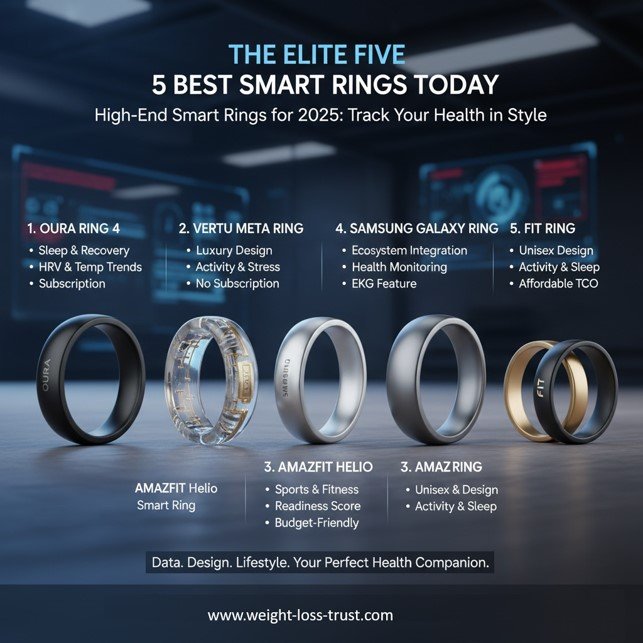
1. The Gold Standard vs. Consumer Wearables
To truly understand any smart ring or band, we must first define the gold standard:
| Measurement Method | What It Measures | Accuracy Level |
| Polysomnography (PSG) | Brain waves (EEG), Eye Movement (EOG), Muscle Activity (EMG), Heart Activity (ECG). | Clinical Gold Standard. Determines sleep stages (REM, Deep, Light) with high precision. |
| Consumer Wearables | Heart Rate, HRV (via PPG), Movement (Accelerometer), Temperature. | Highly Sensitive, Moderately Specific. Excellent for tracking total sleep/wake time; estimates stages via proprietary algorithms. |
While a device may be excellent at detecting when you are asleep (high sensitivity), its ability to precisely identify the exact duration of Deep vs. REM sleep is an estimation. The best smart ring for tracking utilizes multiple data streams to get this estimate as close to PSG as possible.
2. Decoding the Core Biometrics
High-quality sleep tracking relies on three foundational metrics that govern your recovery:
A. Heart Rate Variability (HRV)
HRV is the tiny, beat-to-beat variance in your heart rhythm. It is the most powerful indicator of your Autonomic Nervous System (ANS) health—the balance between your “fight or flight” (sympathetic) and “rest and digest” (parasympathetic) modes.
- During Sleep: Higher HRV during sleep (relative to your baseline) indicates greater parasympathetic dominance, meaning your body is actively recovering and readying itself for stress.
- The Smart Ring Advantage: Smart rings and armbands often capture HRV more accurately than wrist-based devices because the finger and upper arm have stable, strong pulse points, making them ideal for the photoplethysmography (PPG) sensors that power the best smart ring for tracking recovery.
B. Resting Heart Rate (RHR)
RHR is simply the lowest number of heartbeats per minute recorded, usually occurring during deep sleep.
- During Sleep: Your heart rate naturally drops as you transition into deep sleep. A stable RHR that is lower than your daily average is a strong indicator of good cardiovascular health and efficient recovery.
- Actionable Data: A sudden, sustained spike in RHR above your baseline often signals physiological stress, such as illness, overtraining, or high emotional strain.
C. Sleep Stages: Deep vs. REM
These are the two most restorative stages, and differentiating between them is the primary challenge for any best smart ring for tracking.
| Stage | Function | Biometric Changes Tracked by Wearables |
| Deep Sleep (NREM 3) | Physical repair, growth hormone release, muscle restoration. | Lowest RHR, Lowest body temperature, minimal movement. |
| REM Sleep | Cognitive repair, memory consolidation, emotional regulation (Dreaming). | High HRV fluctuation, RHR and breathing rate spikes (almost like wakefulness), near-paralysis of muscles. |
Wearable accuracy for sleep staging can be moderate (around 51-79% agreement with PSG), but they are highly effective for tracking long-term trends. If your Deep Sleep is consistently low over weeks, you have a recovery deficit to address.
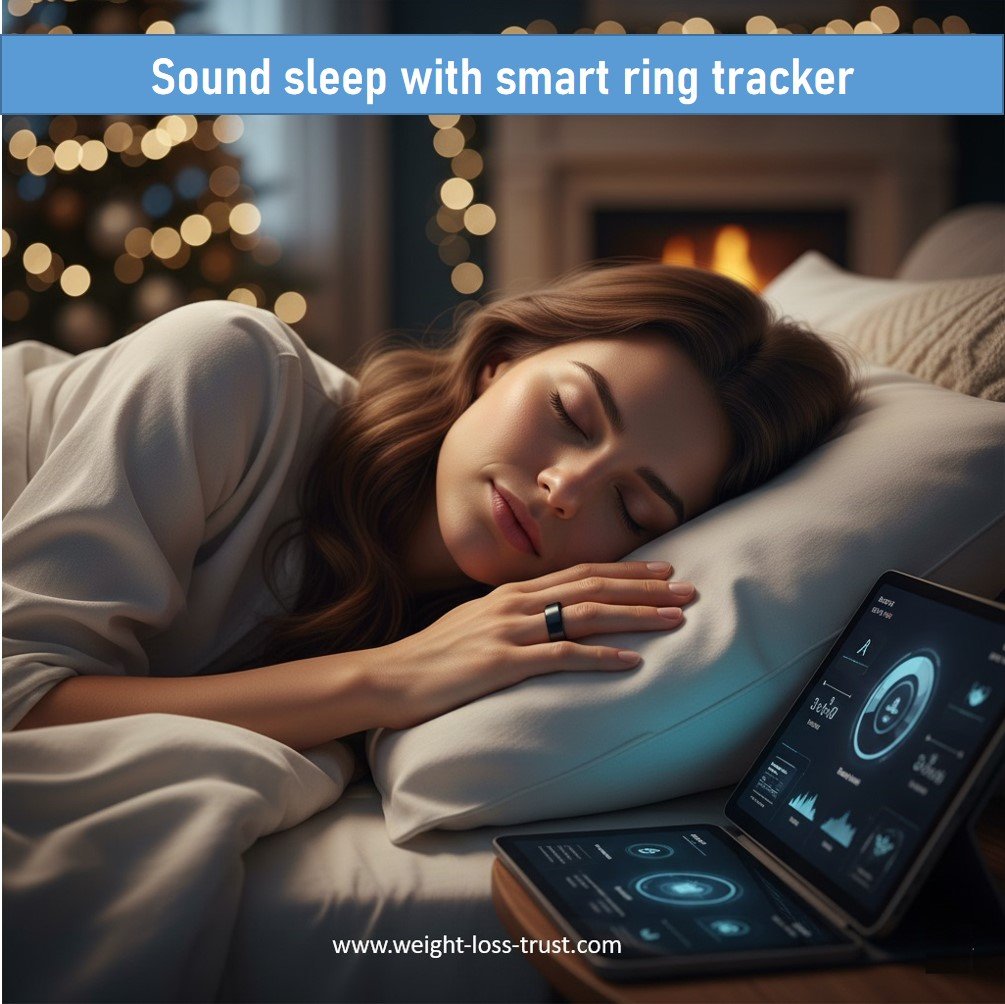
3. The Algorithm Difference: How the Best Smart Ring for Tracking Calculates Your Score
Smart ring companies do not directly measure brain waves; instead, they use machine learning to process the raw data from their sensors:
- Sensor Fusion: Combining PPG data (HRV/RHR) with Accelerometer data (movement).
- Algorithm Modeling: Using patterns (e.g., low RHR + low movement = Deep Sleep) to create a Hypnogram (sleep stage graph).
- Personalized Scoring: The most advanced wearables (like Oura) use personalized algorithms that adapt to your unique baseline, offering a much more accurate reading than a generic “generalized” algorithm. This is what separates a decent tracker from the best smart ring for tracking for your specific needs.
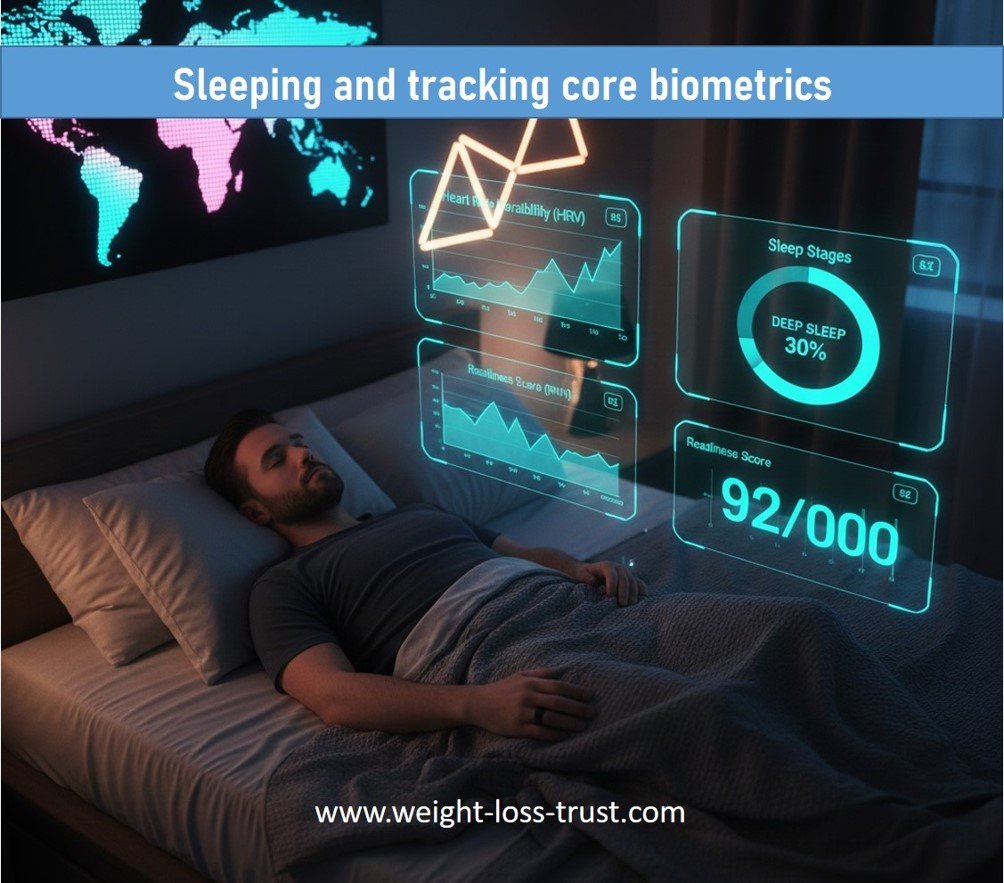
Conclusion: Trends Over Single Numbers
While consumer wearables are not clinical diagnostic tools, they are revolutionary for long-term trend monitoring. Consistent tracking of your HRV, RHR, and time spent in the sleep stages allows you to correlate daily behaviors (alcohol, late meals, intense workouts) with overnight recovery.
For individuals prioritizing nocturnal health data, the Oura Ring is widely considered the best fitness tracker for sleep analysis due to its advanced sensor placement on the finger.
To fully maximize your investment in the best smart ring for tracking, use the data as a biofeedback loop: recognize the trend, adjust your sleep hygiene, and watch the science of your recovery improve.