
The True Long-Term Cost of Wearables
When investing in high-end health technology, the price tag on the box is only the beginning. The shift towards subscription models and rapid hardware cycles means the Long-Term Cost of Wearables—or Total Cost of Ownership (TCO)—has become the most critical factor for savvy consumers. Ignoring these ongoing expenses can turn a premium purchase into an unexpectedly costly commitment.
This guide analyzes the true Long-Term Cost of Wearables by breaking down the initial investment, recurring fees, and necessary replacements over a typical ownership cycle.
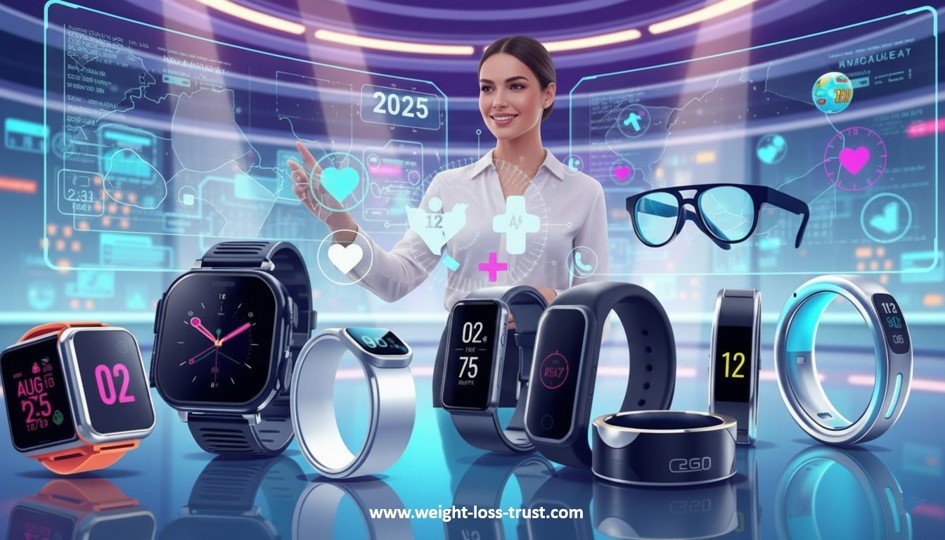
Initial Costs (Hardware)
- Budget-Friendly ($20-$70): Basic fitness trackers (Xiaomi Mi Band, Samsung Galaxy Fit) with core features like step counting.
- Mid-Range ($100-$270): More advanced trackers (Garmin vivosmart 4, Fitbit Versa 2) with sleep tracking, GPS.
- Premium ($300+): High-end smartwatches (Apple Watch) and rings (Oura Ring) with extensive sensors and app ecosystems.
Key Factors Influencing Cost-Effectiveness
- Device & Data Quality: Higher-fidelity sensors and AI analysis provide better insights.
- Patient Population: Effectiveness varies by the specific health needs of the user.
- System Integration: Collaboration between tech, providers, and policymakers is crucial for equitable, cost-saving adoption.
Recurring Costs (Subscriptions)
- Consumer Apps: $9.99+/month for personalized insights (e.g., HealthSync, WHOOP).
- Clinical Services: Over $100/month for clinical-grade monitoring.
1. The Hidden Anchor: Subscription Fees and the Long-Term Cost of Wearables
The biggest shift in the high-end wearable market is the monetization of data. While the initial hardware cost may seem manageable, the accompanying subscription is the primary driver of the Long-Term Cost of Wearables.
- The Data Lock-In: Brands like Oura (approx. $5.99/month) and Whoop (approx. $19.99+/month) generate a recurring revenue stream by locking advanced metrics (HRV trends, Readiness Scores, detailed sleep staging) behind a paywall. Without this fee, the device often becomes a basic step counter.
- The Lifetime Saver: Competitors are emerging with subscription-free models, offering lifetime access to data for a higher initial price. This significantly reduces the Cost of Wearables in long-term and often appeals more to high-end users who prefer a single, up-front investment.
- Annual Discounts: Savvy consumers can mitigate the total ownership cost of wearables by selecting annual billing cycles, which often provide a 15-30% discount compared to monthly payments.
2. Hardware Lifespan: The Replacement Factor in TCO
Unlike a traditional watch, smart wearables are sealed units with non-replaceable lithium batteries. This factor dictates the device’s useful life, which is typically estimated at 2.5 to 3 years before battery degradation forces a replacement.
The Long-Term Cost of Wearables calculation must therefore include the cost of at least one replacement hardware purchase within a typical five-year ownership window.
| Wearable Category | Estimated Lifespan | Impact on Long-Term Cost of Wearables |
| Smart Rings (Oura, Ultrahuman) | 2.5 – 3 Years | Highest impact due to sealed battery and non-repairable form factor. |
| Premium Smartwatches (Apple Watch Ultra, Garmin) | 3 – 4 Years | Lower impact; battery replacement service is often available, extending life slightly. |
| Budget Trackers (Fitbit/Xiaomi) | 1.5 – 2 Years | Low initial price but high long-term replacement frequency. |
To see how the actual features and data analysis of these two models compare, check out our in-depth review of the Oura vs. Whoop: Which is the best smart ring for tracking recovery?
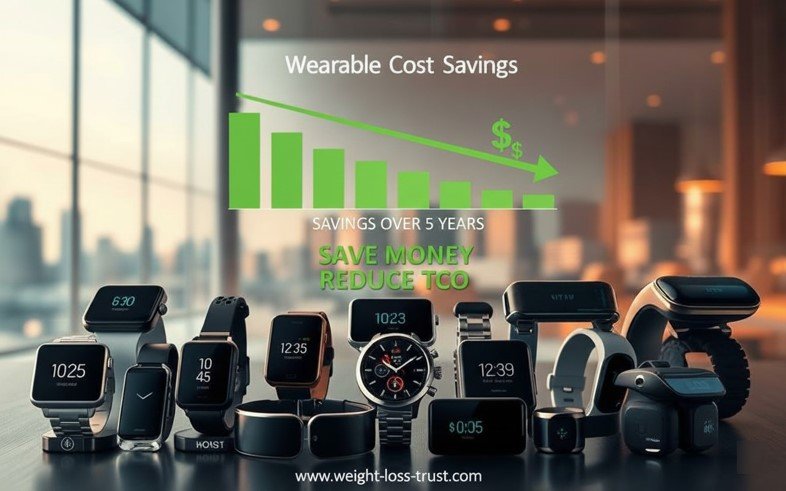
3. Long-Term Cost of Wearables (TCO) Calculation Over 5 Years
To truly understand the Cost of Wearables for Long-Term, let’s project the total ownership cost of wearables for two leading models over a five-year period.
| Component | Oura Ring (Subscription Model) | RingConn (Subscription-Free Model) |
| Initial Hardware Cost | $349 | $299 |
| Subscription Cost (5 Years) | $70 x 5 = $350 | $0 |
| Replacement Hardware Cost (Year 2.5) | $349 | $299 |
| Total 5-Year Ownership Cost (TCO) | **$1,048** | $598 |
This comparison clearly illustrates how subscription fees dramatically inflate the wearables Cost in Long-Term making the subscription-free alternative significantly more cost-effective over a full device lifecycle, even with a replacement factored in.
4. Indirect and Hidden Costs
Beyond the core numbers, the total ownership cost of wearables includes indirect factors that affect overall value and experience:
- Accessories: The cost of replacement bands, charging docks, or specialized cables adds to the Cost of Wearables.
- Data Migration & Privacy: Wearables generate massive amounts of personal data. Understanding who owns that data, and if you lose access to it without a subscription, is a crucial part of the investment analysis.
- Disposal Costs: Wearables are e-waste. While minimal, the replacement process contributes to a higher environmental and financial wearables long-term cost.
Long-Term Value & Savings
- Preventative Care: Wearables help manage conditions like hypertension and diabetes, potentially preventing costly acute events (strokes, severe hypoglycemia).
- Reduced Hospitalization: Studies suggest remote patient monitoring (RPM) via wearables can lower hospital costs and improve quality-adjusted life years (QALYs).
- Insurance Incentives: Healthier client bases (due to wearable use) can lead to fewer insurance claims and better premium packages.
Conclusion: Making the Smart Choice
When assessing the true Cost of Wearables in Long-Term, shifting your focus from the initial purchase price to the Total Cost of Ownership (TCO) is essential. A device that seems more expensive upfront can save you hundreds of dollars over five years compared to a device with a mandatory monthly fee.
IMPORTANT: The wearables offer significant long-term savings by enabling proactive health, reducing expensive hospital visits (e.g., for stroke, diabetes complications), and improving wellness, though costs vary by device (like Oura Ring vs. fitness tracker) and usage, with studies showing strong cost-effectiveness in chronic disease management.
Always prioritize transparency. The best smart ring for tracking is not the cheapest—it’s the one that provides the features you need for a predictable and justifiable wearables long-term cost.
Ready to choose the device that fits your budget and lifestyle? Dive into our comprehensive feature-by-feature breakdown before you decide on the Total Cost of Ownership.