
Mindful Nutrition – Strategies for Overcoming Emotional Eating
Emotional eating (EE) is defined as a nonpathological eating behavior, whereas binge-eating disorder (BED) is defined as a pathological eating behavior. While different, both share some striking similarities, such as deficits in emotion regulation (ER) and inhibition.
Weight loss is often viewed as a math problem: calories in versus calories out. However, for most people, the true challenge is an emotional one.
Emotional eating—consuming food to cope with feelings rather than genuine physical hunger—is one of the biggest roadblocks to sustainable success.
This randomized controlled trial is supporting mindful eating that specifically validates the effectiveness of the “mindful eating” technique, which is a key section in your guide.
At TrustHub, we recognize that tackling the psychological drivers of eating is as important as understanding Macronutrients 101.
This guide, aligned with our TrustHub Methodology, provides evidence-based strategies based on mindful eating efficacy study for separating your plate from your feelings.

1. Defining Emotional Hunger vs. Physical Hunger
The first step to overcoming emotional eating is learning to recognize its red flags.
| Emotional Hunger | Physical Hunger | Immediate Action |
| Sudden & Urgent: Hits instantly, feels like it needs immediate attention. | Gradual: Develops slowly over time, usually over hours. | Deploy the 10-Minute Rule. Find a non-food distraction to test if the craving passes. |
| Specific Cravings: Demands a specific comfort food (e.g., pizza, ice cream, chips). | Flexible: Most foods will satisfy the need. | Check Your Energy. Are you actually tired? If so, prioritize rest or movement over eating. |
| Afterward Guilt: Leads to feelings of shame, guilt, or regret. | Satiety: Leads to satisfaction and comfort. | Identify the Emotion. Use a journal or mindfulness to label the feeling driving the urge. |
| Boredom/Stress Driven: Often triggered by external cues (TV, stress, a bad day). | Physiological: Accompanied by physical signs (stomach rumbling, lightheadedness). | Change Your Environment. Move to a different room or step outside to break the immediate connection to food. |
1.1. Identifying Your Triggers (Stress Management, Boredom)
To begin overcoming emotional eating, you must first master identifying your triggers, recognizing the specific emotions (like stress, boredom, or loneliness) that drive non-physical hunger.
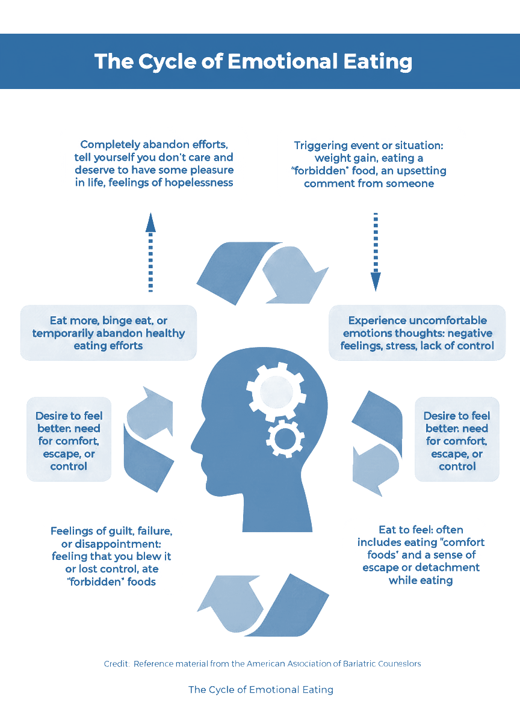
Emotional eating is a learned coping mechanism. To break the cycle, you must identify what feeling or event consistently triggers the urge:
- Stress: High workload, conflict, or deadlines.
- Boredom: Lack of stimulating activity, particularly in the evenings.
- Loneliness: Using food as a substitute for connection or comfort.
- Fatigue: Mistaking hormonal signals of exhaustion for hunger (see The Importance of Rest Days and Sleep).
2. Developing Alternative Coping Mechanisms
Developing alternative coping mechanisms is the critical step in overcoming emotional eating, as it breaks the automatic link between emotional triggers and the consumption of food.
Once you identify the trigger, you can deploy a non-food coping mechanism. This process involves creating a mental “pause” between the emotional trigger and the automatic response (eating).
2.1. The 10-Minute Rule
When an emotional craving strikes, commit to a 10-minute distraction before allowing yourself to eat. During this time, perform a non-food-related activity:
- Movement: A brisk walk, five minutes of stretching, or climbing a flight of stairs.
- Connection: Text a friend, call a family member, or engage with a pet.
- Mindfulness: Practice deep, diaphragmatic breathing (box breathing) or write down the emotion you are feeling in a journal.
The goal of the 10-minute rule is often to let the urgent, immediate craving pass, as emotional hunger is usually fleeting.
2.2. Mindful Eating Practices (Presence, Satiety Signals)
When you do eat, use mindful techniques to strengthen the connection between your brain and your stomach.
- Minimize Distractions: Eat away from screens, books, or work.
- Chew Slowly: Savor the food and aim for 20-30 chews per bite.
- Check-in: Pause halfway through the meal and assess your satiety signals on a scale of 1 to 10. Only continue if you are truly hungry.
3. Creating Environmental Resistance
Make the healthy choice the easy choice and the emotional choice difficult.
3.1. Home Environment Control
If a specific food is your main emotional trigger, simply don’t keep it in the house. You cannot emotionally eat a food that isn’t readily available.
3.2. Meal Prepping and Structure
The more structure you bring to your diet, the less space there is for impulsive, emotional decisions. Having healthy, balanced meals pre-planned and easily accessible drastically reduces the odds of relying on quick comfort foods when stress hits.
4. Specific Challenges: Emotional Eating at Night and Weekend Triggers
While general strategies are effective, emotional eating often occurs during specific high-risk times when routines break down. Targeting these patterns requires specialized coping mechanisms:
- Tackling Nighttime Eating: This is often driven by boredom or fatigue. Instead of heading to the kitchen, perform an evening routine reset. Try a low-effort, stimulating activity like a puzzle, reading a non-work book, or taking a warm shower. Ensure your main meals are balanced with adequate protein and healthy fats to minimize physiological nighttime cravings mistaken for emotional urges.
- Weekend Trigger Control: Weekends often mean less structure. Plan two non-food-related social or engaging activities (like a museum visit or a long hike) for the weekend. This fills the time gap where boredom or loneliness might set in and trigger eating. Treat structured activity as a non-negotiable part of your schedule.
5. Next Steps for Deep Healing
Partnering with a Professional: When to Seek Counseling
Overcoming emotional eating is a powerful act of self-improvement, but for some, the underlying emotions are too complex to manage alone. If your eating habits are severely impacting your life, if you feel a loss of control frequently, or if you suspect a more serious issue, seeking professional guidance is a sign of strength.
A therapist or counselor specializing in disordered eating can provide cognitive-behavioral techniques (CBT) and personalized coping strategies tailored to deep-seated emotional triggers.
We encourage you to seek resources from organizations like the National Eating Disorders Association (NEDA) for support in overcoming emotional eating.
6. FAQ (Frequently Asked Questions )
Q1: What is the main difference between emotional hunger and physical hunger?
A: Physical hunger is gradual, patient, and satisfied by any food, often with physical signs like a rumbling stomach. Emotional hunger is sudden, urgent, and demands specific comfort foods (like chips or ice cream), often leading to guilt afterward.
Q2: Is emotional eating a form of addiction?
A: While emotional eating shares behavioral similarities with addiction (using a substance/action for coping), it is generally classified as a disordered eating pattern or a learned coping mechanism. True clinical food addiction is complex, but focusing on identifying triggers and developing alternative coping strategies is the best path to recovery.
Q3: What is the fastest way to stop an emoational eating episode?
A: The fastest technique is the 10-Minute Rule. When an urge strikes, commit to a distraction (a walk, calling a friend, deep breathing) for 10 minutes. Emotional urges are often fleeting, and this “pause” allows the urgency to pass so you can make a conscious, rational choice.
Q4: Can supplements help me stop emotioanal eating?
A: Supplements cannot treat or cure emotional eating, as it is a behavioral and psychological issue. Focusing on fundamental practices—improving sleep, managing stress, and implementing mindful eating—is far more effective than relying on supplements for a cure.
Q5: When should I seek professional helap for emotional eating?
A: If emotional eating is severely impacting your daily life, causing significant distress, leading to a feeling of total loss of control, or occurs frequently, you should seek help. A qualified therapist or counselor can provide effective long-term tools like Cognitive Behavioral Therapy (CBT).
Conclusion: Mastering the Mind-Body Connection
Overcoming emotional eating is a journey of self-awareness and patience.
It’s not about being “perfect,” but about consistently choosing a non-food coping mechanism over an old habit. By treating your mind with the same scientific rigor you apply to your nutrition, you ensure your progress is built on a resilient, sustainable foundation.
This recent comprehensive review on the emotional eating phenomenon from 2023 published in a high-authority database (NIH/PMC), brings clinical evidence linking emotional eating to distress and weight gain. It directly supports the entire argument regarding the link between emotional eating, psychological distress, and weight gain.
Ready to build a better relationship with food?
- Next Step (Programs): The 12-Week Transformation Program includes specific, structured modules dedicated to identifying and overcoming emotional triggers.
- Next Step (Nutrition): Review the science of hunger and satiety hormones by reading The Importance of Rest Days and Sleep.