
Table of Contents
Biosense Is Gone: What Users Need to Know
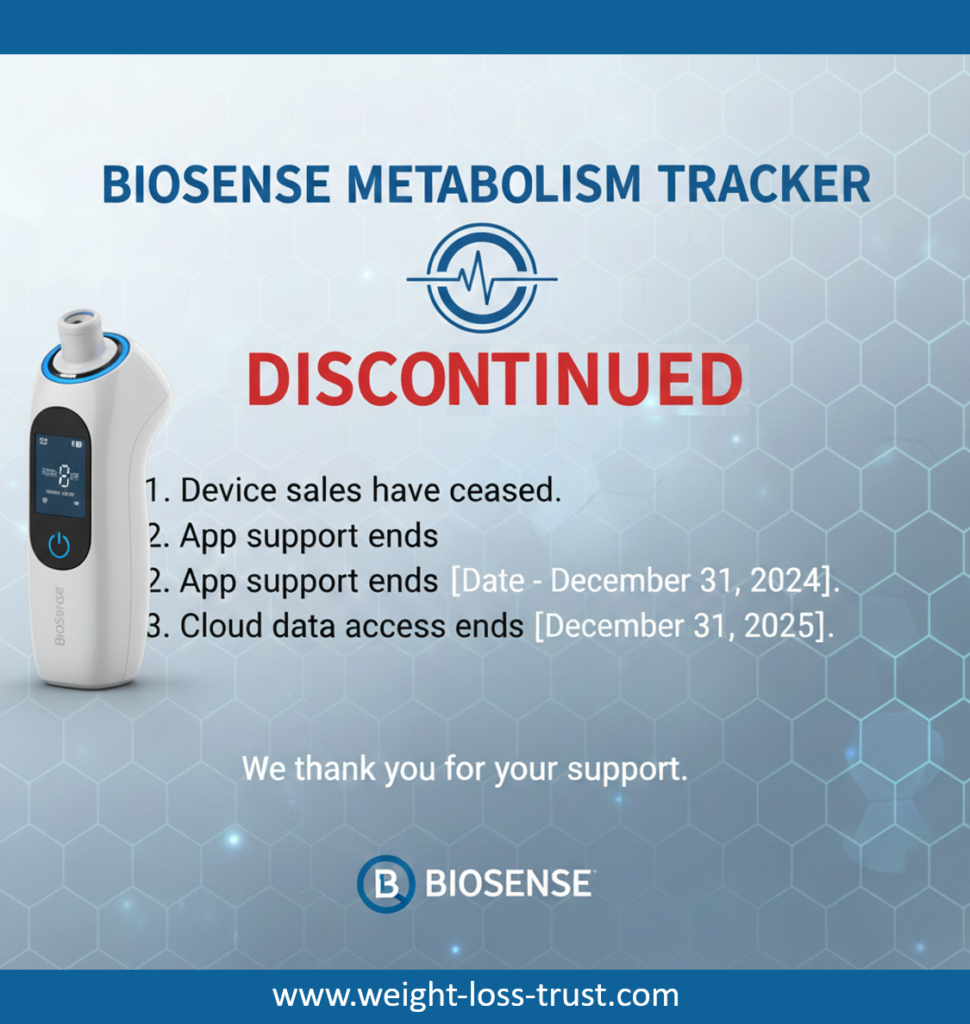
Biosense DISCONTINUED – sad but true. Yes, Biosense breath ketone meter, once the leading acetone-based metabolic tracker, was officially discontinued in early 2025. Users began noticing missing inventory, the mobile app disappearing from the iOS App Store, and a lack of customer support—leading to confirmation that the device has been fully sunset with no announced replacement.
This article provides a complete, evidence-based breakdown of the shutdown, including:
- Exactly what happened
- Why the company discontinued Biosense
- What this means for current and past users
- The scientific and market challenges behind the collapse
- The best metabolism trackers available now
- Frequently asked questions
What Was Biosense? A Quick Overview
Biosense was one of the first consumer devices that measured breath acetone, a biomarker correlated with:
- Fat oxidation
- Ketosis levels
- Metabolic flexibility
- Nutritional ketosis for low-carb users
The device gained popularity among:
- Keto dieters
- Intermittent fasters
- People managing metabolic health
- Biohackers tracking fat-burning states
Biosense used a patented deep-lung sampling method, attempting to capture alveolar breath for more accurate ketone measurement compared to standard breath meters.
Timeline of the Biosense Shutdown (2024–2025)
Late 2024: Stock shortages begin
Users began reporting:
- No inventory on the Biosense store
- No restocking ETA
- Limited communication from support
January 2025: Website updates quietly stop
No new blog posts, updates, or technical releases appeared. Research partners reported slow replies.
February 2025: The mobile app disappears
The Biosense discontinued and Biosense app was removed from the Apple App Store, making device function impossible for new iPhone users.
March 2025: Customer support becomes unresponsive
Users reported:
- No replies to emails
- No warranty support
- No refunds
April 2025: Device officially considered discontinued
All retailers listed the device as “unavailable” or “no longer sold.”
No public announcement was ever made.
Why Was Biosense Discontinued? (Full Analysis)
Biosense did not publicly provide a shutdown explanation. However, evidence strongly suggests a combination of scientific, financial, and competitive pressures.
1. High manufacturing costs
Biosense used:
- Precision acetone sensors
- Proprietary chamber engineering
- Metal body construction
- Medical-grade components
This made it significantly more expensive to produce than digital competitors (Lumen, MetaFlow, AURA).
Estimated production cost per unit: $115–$160
Retail price: $299
Margins were thin.
2. Expensive R&D and uncertain biomarker science
Breath acetone correlates with fat oxidation, but research is still developing.
Challenges include:
- High variability between users
- Strong influence of hydration, exercise, and respiration
- Rapid fluctuations of acetone concentration
This created accuracy-perception problems, impacting long-term adoption.
3. Competition from multi-biomarker trackers
By 2024–2025, new devices entered the market with broader capabilities:
- Lumen (CO₂-based metabolic flexibility reader)
- Ultrahuman M1 (continuous metabolic insights via glucose and HRV)
- AURA/MetaFlow-style sensors (next-gen multi-biomarker breath scanners)
These provided:
- Broader health metrics
- Better app ecosystems
- Stronger software integration
Biosense was limited to one biomarker.
4. Lack of subscription revenue
- Competitors rely on subscription models.
- Biosense discontinued because they did not.
This limited:
- Recurring revenue
- Corporate stability
- Investor interest
5. App removal forced shutdown
- The Biosense device required the mobile app to interpret readings.
- App removal effectively rendered the product nonfunctional.
Without an app, Biosense could not continue operating.
What Does Biosense Discontinuation Mean for Current Users?
✔ The device no longer syncs
✔ No new Bluetooth firmware updates
✔ App no longer supported
✔ No customer service
✔ No warranty coverage
✔ No replacement sensor parts
✔ Device cannot be reset or repaired
For practical purposes, Biosense is no longer a functional long-term tool.
Should You Keep Using Your Existing Biosense Device?
If your device still works on a phone with the old app installed, you may continue using it, but expect:
- Gradual data syncing issues
- No software updates
- No cloud backup
- Possible sudden failure
Data reliability may degrade over time.
Best Alternatives to Biosense in 2025
These are the most reliable, science-supported metabolism trackers still available.
1. Lumen (Best Direct Replacement)
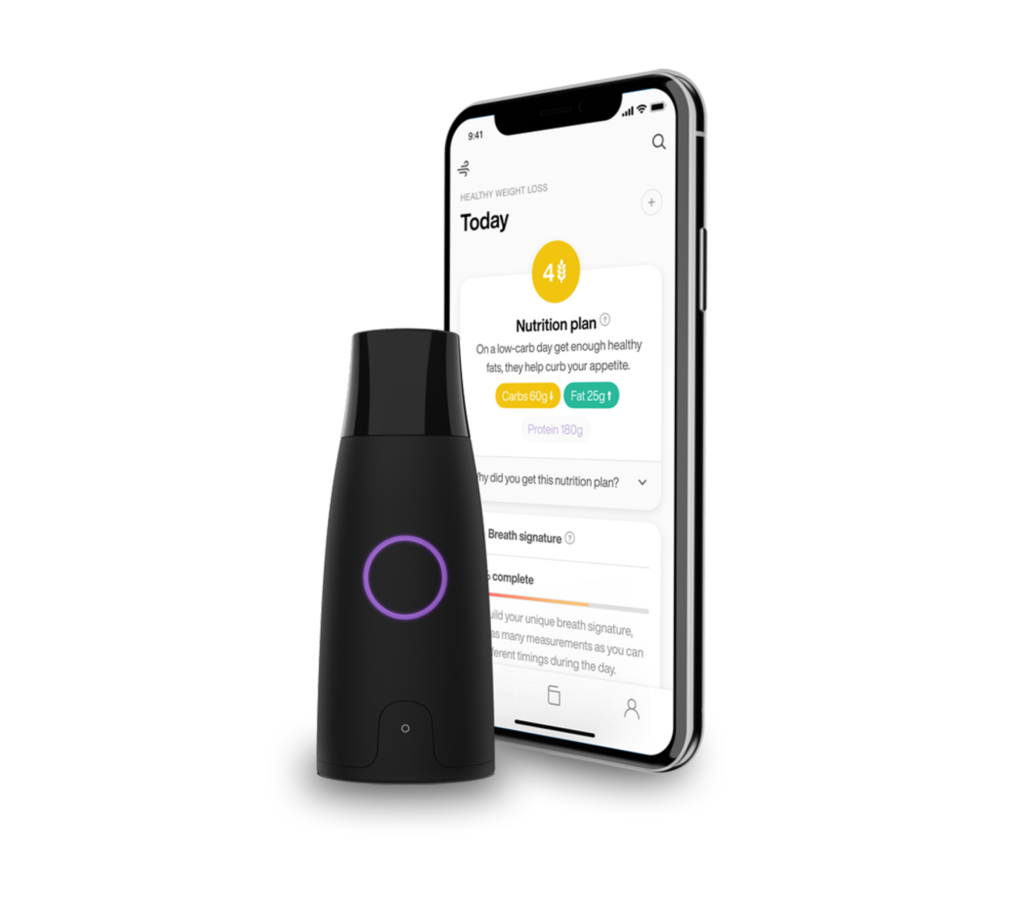
Measurements: CO₂ concentration → metabolic fuel usage
Ideal for:
- Weight loss
- Metabolic flexibility
- Daily meal planning
- Users transitioning off Biosense
Lumen provides:
- A structured daily plan
- Real-time macros guidance
- Strong habit-building framework
2. MetaFlow / AURA-Type Breath Analyzers (Next-Gen Technology)
New 2024–2025 devices measure multiple biomarkers:
- Acetone
- Isoprene
- CO₂ shifts
- VOC patterns
These deliver richer metabolic fingerprints than acetone alone.
3. Continuous Glucose Monitors (CGMs)
Brands: Ultrahuman M1, Levels, Supersapiens
Useful for:
- Carb tolerance testing
- Metabolic dysfunction detection
- Optimizing energy levels
While not measuring fat oxidation directly, CGMs provide a broader health picture.
Expert Opinion: Why Breath Metabolism Devices Are Changing
The industry is shifting from single biomarker devices (like Biosense) toward multi-biomarker metabolic profiling, which is more accurate and more useful for:
- Weight loss
- Longevity
- Athletic performance
- Insulin resistance prevention
Biosense’s shutdown reflects this transition.
Frequently Asked Questions (FAQ)
Q1: Why was Biosense discontinued?
Likely due to high manufacturing costs, competitive pressure, and loss of app support.
Q2: Is Biosense still supported?
No. There is no support, no updates, and no warranty.
Q3: Can I still use the device?
Only if the old app is already installed—and only temporarily.
Q4: What is the best alternative?
Lumen is the most polished consumer option.
Multi-biomarker breath analyzers are the most advanced.
Q5: Is breath acetone still a valid metric?
Yes, but its usefulness is limited without supporting biomarkers.
Conclusion
Biosense’s discontinuation signals the end of an important chapter in breath-based ketone tracking.
The device contributed meaningfully to public awareness of metabolic health, but it could not keep pace with modern multi-biomarker technologies and competitive market forces.
The device, which was a breath ketone monitor used for tracking fat metabolism, is no longer supported by its manufacturer, Readout Health, and related third-party integrations like Cronometer have removed support for it.
Today, users have access to more advanced, more accurate, and better-supported tools, ensuring the field of consumer metabolic tracking continues moving forward.
Alternative metabolism or ketone trackers that are currently active and supported include other breath analyzers like the Lumen device for general metabolism tracking or traditional blood ketone meters.