
A Modern Perspective about Eggs and High Cholesterol Myth
The eggs and cholesterol myth unjustly demonized the humble egg for decades, primarily due to the high concentration of cholesterol found in its yolk. The claim was that since eggs contain dietary cholesterol, they must be a major contributor to high blood pressure, high cholesterol, and cardiovascular disease (CVD).
For gym-goers and health enthusiasts prioritizing cardiovascular health, this caution often led to the wasteful practice of discarding yolks entirely.
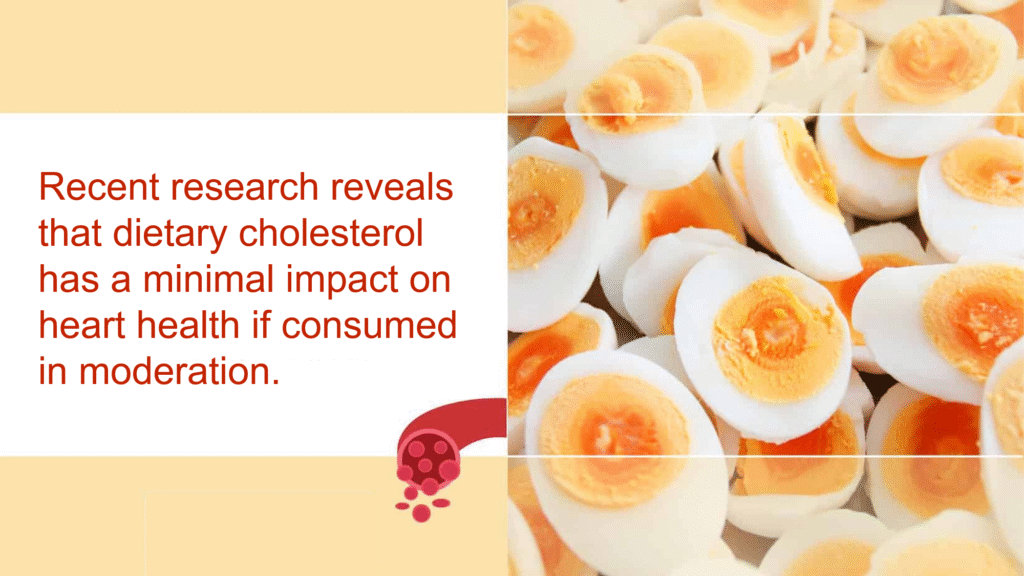
However, modern nutritional science has undergone a significant paradigm shift. The overwhelming consensus today is that for the majority of healthy individuals, dietary cholesterol—the cholesterol consumed through food—has a minimal impact on blood cholesterol levels.
It is time to retire the eggs and cholesterol myth and embrace the whole egg for the complete protein and micronutrients it offers.
According to the modern perspective on eggs and cholesterol, dietary cholesterol has a smaller impact on blood cholesterol levels for most people than previously thought. But, saturated fat is a more significant factor. Current guidelines typically support moderate egg consumption as part of a healthy diet. However, individual responses can vary.
Decades of research have fundamentally changed our understanding of nutrition, conclusively dismantling the persistent eggs and cholesterol myth.
The Cholesterol Confusion: Dietary vs. Serum
The root of the fear lies in confusing two distinct types of cholesterol:
- Dietary Cholesterol: This is the cholesterol you consume in foods like eggs, shrimp, and liver. A large egg contains approximately 186 milligrams of cholesterol, all concentrated in the yolk.
- Serum Cholesterol: This is the cholesterol circulating in your bloodstream (HDL, LDL). This is the number doctors monitor, and only about 20% of it comes from diet.
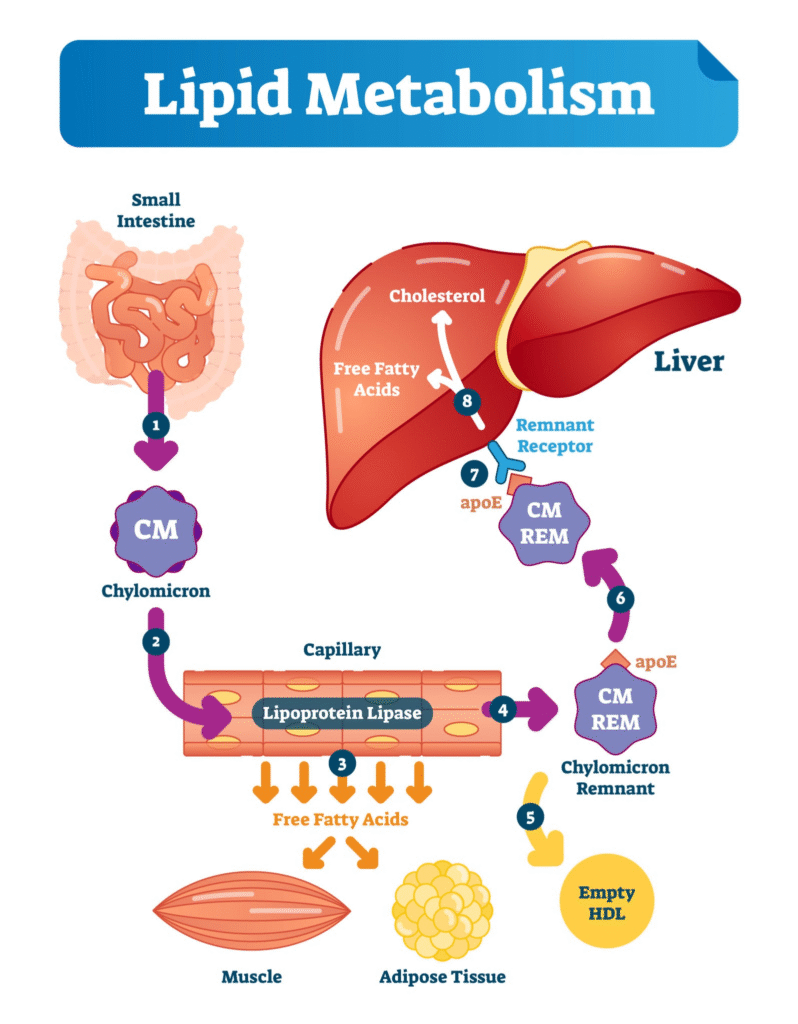
Your liver produces the other 80% of the cholesterol needed for essential bodily functions (hormone production, Vitamin D synthesis).
When you consume more dietary cholesterol (like eating eggs), the liver simply down-regulates its own production to maintain balance.
Why the Yolk is Your Friend, Not Your Foe
By discarding the yolk, you are not significantly improving your heart health, but you are drastically reducing your nutritional intake. The egg yolk is a powerhouse of essential compounds that support metabolism and muscle recovery:
- Choline: The yolk is a major source of Choline (around 147 mg per large egg), a nutrient crucial for liver function, brain health, and nerve signaling—all vital for trainers.
- Vitamins A, D, E, K: These fat-soluble vitamins are exclusively found in the yolk and are essential for bone health (Vitamin D) and immune function (Vitamin A).
- Antioxidants: Lutein and Zeaxanthin are potent antioxidants concentrated in the yolk that support eye health and reduce inflammation.
Due to the widespread acceptance of the eggs and cholesterol myth, many trainers unnecessarily skipped the yolk, thereby missing out on crucial fat-soluble vitamins and Choline.
The Modern Recommendation
The most current nutritional guidelines from major health organizations no longer advise strict limits on dietary cholesterol for most people.
Instead, the focus has shifted entirely to reducing the intake of saturated and trans fats, which have a much more significant and negative impact on raising LDL (bad) cholesterol levels.
By studying the liver’s regulatory mechanisms, scientists proved that the eggs and cholesterol myth misrepresented the body’s internal cholesterol production system.
For the vast majority of healthy individuals, there is no need to worry; you can safely ignore the lingering effects of the eggs and cholesterol myth and enjoy your whole eggs.
If you are a healthy individual: Consuming one to three whole eggs per day is generally safe and highly encouraged as part of a balanced, nutritious diet, offering a cost-effective and complete protein source.
Important Exception: When to Exercise Caution
While the myth is debunked for most, caution is still necessary for certain populations:
- Individuals with Type 2 Diabetes: Some studies suggest a link between high egg consumption and an increased risk of heart disease in people with existing diabetes. Consultation with a registered dietitian or physician is crucial.
- Hyper-Responders: A small percentage of the population are “hyper-responders,” meaning their blood cholesterol levels do rise significantly in response to dietary cholesterol. If your blood tests show persistently high cholesterol despite a healthy diet, discuss your egg intake with your doctor.
Frequently Asked Questions (FAQ)
Q: Do eggs raise LDL (“bad”) cholesterol? A: For the vast majority of healthy people, consuming eggs does not significantly raise LDL cholesterol. The liver compensates for dietary cholesterol by producing less of its own. When a rise is observed, it’s often in the pattern of large, fluffy LDL particles, which are generally considered less harmful than the small, dense particles often linked to high intake of saturated and trans fats.
Q: How many whole eggs per day is considered safe? A: For most healthy individuals, studies support consuming up to one to three whole eggs per day as safe and beneficial. However, individual tolerance varies. Consistency is key, and if you are concerned, monitor your lipid panel after adjusting your intake.
Q: Are egg whites a better choice than whole eggs for heart health? A: No, not necessarily. While egg whites are pure protein, the yolk contains all the beneficial micronutrients, including Choline, Vitamins D and E, and antioxidants. For heart health, consuming the whole egg is often preferred for the complete nutritional profile, provided your diet is low in saturated fat from other sources.
Q: Should individuals with Type 2 Diabetes completely avoid eggs? A: Not necessarily, but they should be monitored. While some studies show an association with increased risk, others show no harm. If you have Type 2 Diabetes, it is essential to discuss your daily egg intake with your doctor or a registered dietitian, as your overall diet composition is the most important factor.
The modern consensus clearly states that the focus must shift away from the outdated eggs and cholesterol myth and toward reducing saturated and trans fats.
Please note: This article is for informational purposes only. If you have any existing heart conditions, high LDL cholesterol, or Type 2 diabetes, you must consult your healthcare provider or a registered dietitian before making significant changes to your diet.
Writer Phyllis Leonard has been editing the Health and Fitness section on the site since it was launched in 2006.