
Hydration and Electrolytes: The Unsung Heroes of Metabolism
Proper hydration is not just about quenching thirst; it is a metabolic necessity that impacts everything from energy levels and cognitive function to nutrient transport and fat metabolism. This guide breaks down the science, adhering strictly to the standards of the TrustHub Methodology.
The “unsung heroes of metabolism” include muscle mass, sleep, hydration, and certain micronutrients like B vitamins and zinc, as well as fiber, which are all crucial for a healthy metabolic rate but often overlooked.
In the rush to track calories and macros, people often overlook the single most essential ingredient for cellular health and peak performance: water and electrolytes.
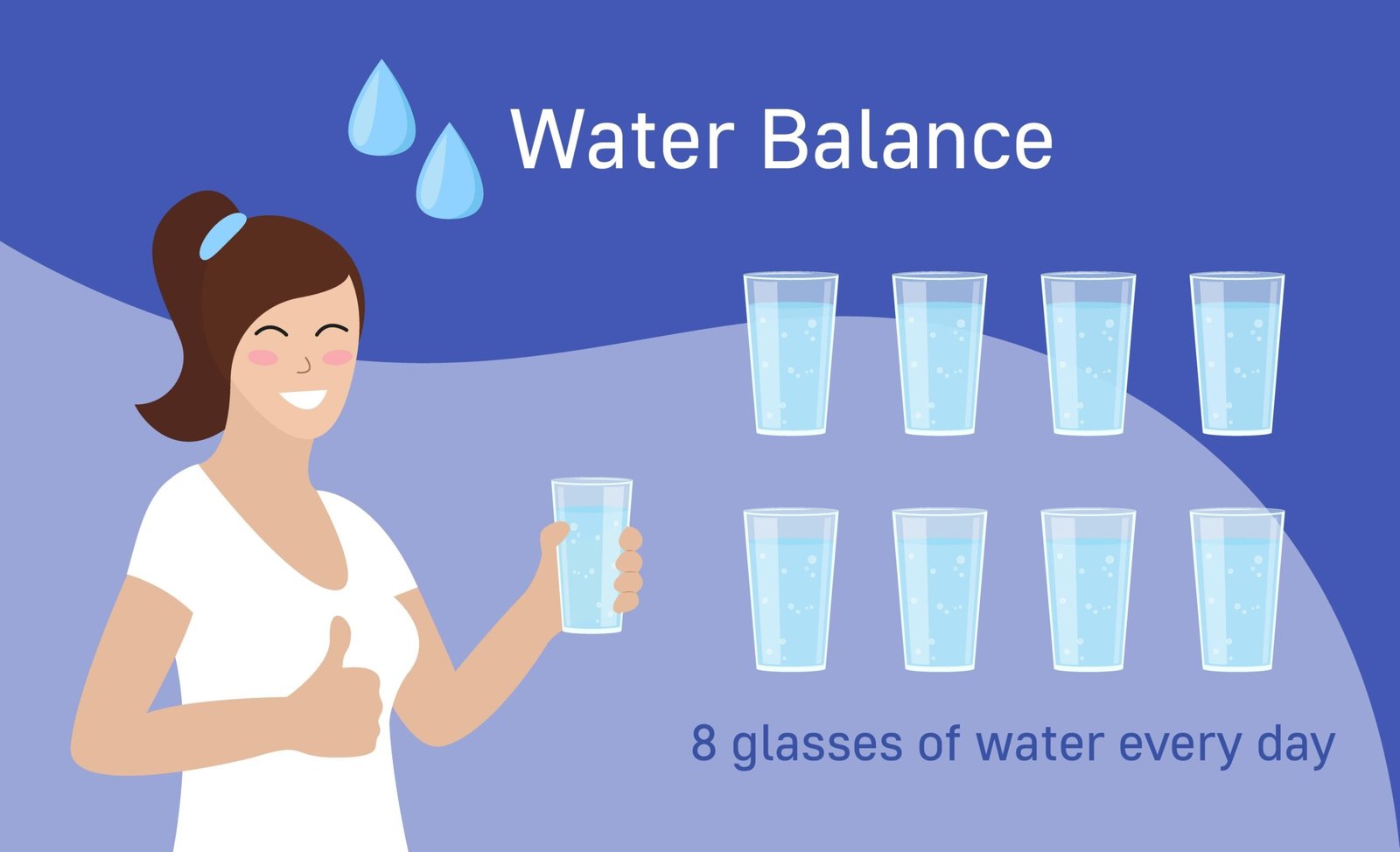
1. Why Water is Non-Negotiable for Weight Loss
Water plays a primary role in every major metabolic function. When you are even mildly dehydrated, your body’s efficiency drops dramatically.
1.1. Nutrient Transport and Absorption
Water is the universal solvent, essential for transporting nutrients (including those from your Macronutrients 101 plan) and oxygen into your cells. Without sufficient water, nutrient absorption slows, impacting energy production.
1.2. Waste Removal (LSI: Detoxification)
The kidneys require water to filter waste products and toxins effectively. Proper hydration ensures your body can efficiently eliminate metabolic byproducts, often mislabeled in marketing as “detoxification.”
1.3. Lipolysis and Thermogenesis
Studies show that adequate water intake can increase thermogenesis (heat production), slightly boosting your calorie expenditure. Furthermore, water is directly involved in lipolysis—the metabolic process of breaking down stored fat for energy.
2. The Essential Role of Electrolytes
Electrolytes are minerals that carry an electrical charge when dissolved in water (e.g., sodium, potassium, magnesium, calcium). They are critical for nerve and muscle function, and maintaining proper fluid balance.
2.1. Cellular Communication and Muscle Function
Electrolytes are required for nerve impulses, including the signals that tell your muscles to contract and relax. This is especially crucial for performance during Resistance Training. When electrolytes are depleted (often through sweat or low-carb diets), performance suffers, leading to fatigue, cramping, and headaches.
2.2. Fluid Balance and Hydration (LSI: Osmosis)
It’s not enough to drink water; your body needs electrolytes to ensure the water is drawn into your cells (via osmosis), not just flushed out. Sodium, in particular, is essential for regulating this balance.
- The Myth of Sodium: Marketing often demonizes sodium. However, in the context of exercise and active weight loss, adequate sodium intake is necessary for proper hydration and performance.
2.3. Impact on Sleep and Recovery
Magnesium, a key electrolyte, is heavily involved in regulating neurotransmitters that promote calm and deep sleep. Ensuring optimal magnesium levels supports the recovery principles outlined in The Importance of Rest Days and Sleep.
3. Why Hydration is Crucial for Cognition and Mood
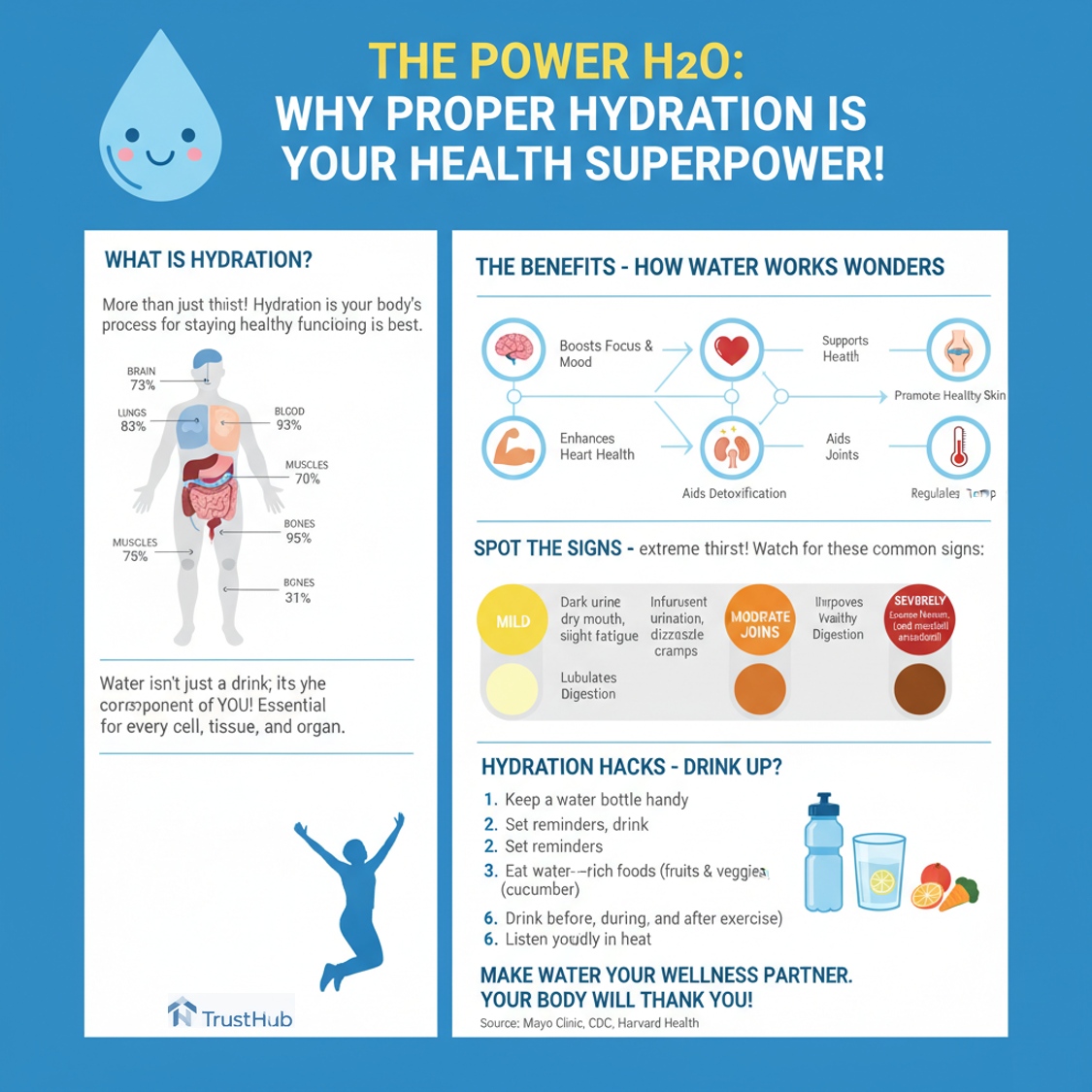
Proper hydration is fundamental to optimal brain function, mood, and cognitive performance, as even a slight fluid loss can have a significant impact on the central nervous system.
The brain, which is composed of roughly 73% water, relies on a balanced fluid level to maintain essential functions like concentration, alertness, reaction time, and short-term memory.
When the body experiences even mild dehydration, circulation can slow down, reducing the flow of oxygen and essential nutrients to the brain, which in turn leads to feelings of fatigue, sluggishness, and reduced focus.
Conversely, maintaining good hydration helps to regulate body temperature, stabilize emotions, combat feelings of anxiety, and is linked to improved overall sleep quality and mental clarity, underscoring its crucial role in overall mental well-being.
4. Long-Term Effects of Dehydration
Chronic or long-term inadequate hydration places a severe and progressive strain on the body’s major organ systems.
Persistently low fluid intake forces the kidneys into conservation mode, causing urine to become highly concentrated, which significantly raises the risk of forming painful kidney stones and is a major long-term risk factor for Chronic Kidney Disease (CKD).
Furthermore, sustained dehydration decreases overall blood volume, requiring the heart to work harder to maintain circulation, which can contribute to cardiovascular issues like hypertension (high blood pressure) over time.
In the brain, chronic fluid deficits are linked to accelerated cognitive decline, with studies suggesting an increased risk or exacerbation of conditions like dementia and ongoing impairment to memory and mental clarity.
Finally, long-term dehydration also slows down the digestive tract, leading to persistent constipation, and can visibly accelerate skin aging by reducing elasticity.
5. Creating Your Hydration Protocol
You don’t need expensive, sugary sports drinks. Your hydration strategy should be simple and effective:
- Start Early: Begin your day with 16-20 ounces of water to rehydrate after sleep.
- Aim for Consistency: A general guideline is to consume half your body weight in ounces of water daily (e.g., a 160lb person aims for 80 oz). Adjust this based on activity and climate.
- Strategic Electrolytes: If you are sweating heavily (during exercise) or following an initial phase of a reduced carbohydrate plan, consider supplementing electrolytes with a small amount of table salt, potassium, and magnesium, or use a zero-sugar electrolyte powder.
Ready to optimize your metabolic engine?
- Next Step (Programs): Our 12-Week Transformation Program includes specific, calculated guidelines for hydration and electrolyte intake tailored to your training phase.
- Next Step (Fitness): Review how hydration supports muscle building in our guide on The Power of Resistance Training: Building Your Metabolic Engine.